Wholesale Laminating Rolls: Building Distributor Supply Partnerships That Last
Wholesale Laminating Rolls: Building Distributor Supply Partnerships That Last
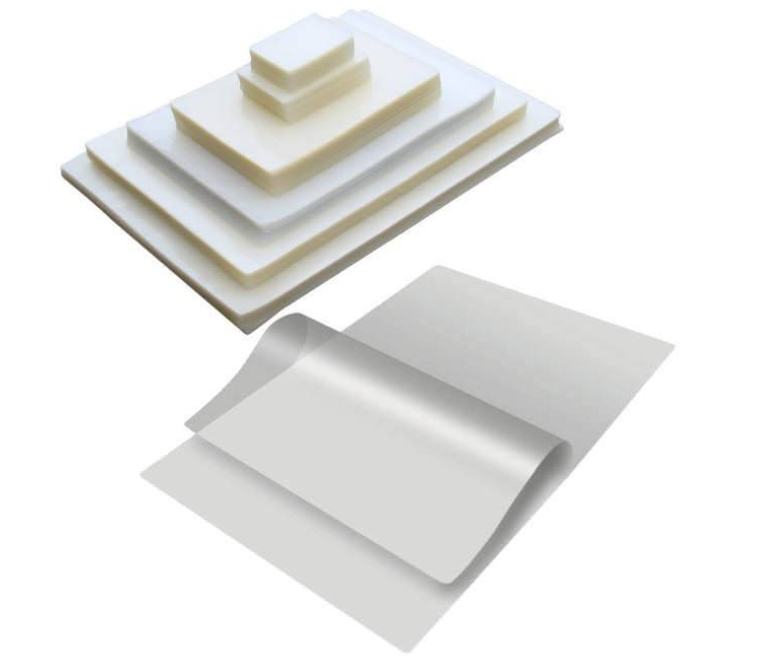
HADA laminating film, including laminating rolls for wholesale distribution.
Wholesale laminating rolls are the backbone of many packaging and printing distribution businesses. Unlike one-off purchases, they must perform the same way order after order, because customers—print shops, packaging converters, schools, and industrial users—rely on consistent film to keep their machines running. For a distributor moving from supplier evaluation to actual execution, the central question is not only 'which laminating roll should I buy?' but 'which manufacturer can I build a long-term supply partnership with?'
This guide answers that question. It explains five foundations of a durable wholesale relationship: production capacity, quality consistency, compliance documentation, customization capability, and commercial terms. It then provides a step-by-step framework for verifying those foundations before you commit to a repeat-order agreement.
The company facts and performance figures used in this guide are taken from the published profile of Guangzhou Huada Laminating Film Co., Ltd. (HADA), a manufacturer of PET and BOPP laminating films based in Guangzhou, China. HADA is used here as a working example of what a long-term supply partner should be able to document.
Why Wholesale Laminating Rolls Buyers Face Hidden Procurement Risks
Distributors often choose a laminating rolls supplier on unit price and delivery speed. That approach works until a container arrives with inconsistent adhesion, or a batch of matte rolls has a slightly different shade from the previous batch, or a customer requests a food-contact compliance document that the supplier cannot provide.
The most common risks in wholesale laminating rolls procurement include:
- Batch-to-batch inconsistency. Lamination machines are sensitive to film thickness, adhesive behavior, and surface properties. When the film changes slightly between batches, end users see bubbles, wrinkles, or weak bonding. The cost includes rework, rejected jobs, and lost customer trust.
- Limited production capacity. A supplier that operates near its capacity ceiling cannot support seasonal peaks or business growth. When demand rises, the distributor's own supply is the first casualty.
- Compliance documentation gaps. Export markets are tightening product safety and environmental requirements. Without documented certifications, a distributor may be locked out of regulated segments, such as food-contact packaging in the European Union, which falls under Commission Regulation (EU) No 10/2011 for plastic materials intended for food contact.
- Narrow product range. A supplier that offers only one finish, one thickness, or one width forces the distributor to source from multiple vendors, multiplying logistics costs, qualification time, and inconsistency.
- Weak technical support. When an end customer's lamination process fails, the distributor is the first line of response. If the manufacturer cannot provide process guidance quickly, the distributor absorbs the problem.
The pattern behind these risks is simple: laminating rolls are treated as a commodity, and the supplier relationship is treated as transactional. A more durable approach is to evaluate manufacturers on evidence—factory fundamentals, quality systems, certifications, product specifications, and commercial terms—before committing to a wholesale program.
Industry Background: Laminating Films Market Trends That Affect Wholesale Buyers
Market context helps a distributor judge how much supply security matters. According to DataM Intelligence, the global lamination films market reached US$ 6,842.11 million in 2024, with the food & beverage segment as the primary end-user. Within this larger market, BOPP thermal lamination films were valued at approximately US$ 3.5 billion in 2024 and are projected to grow at a 5.2% CAGR through 2033. PET (BOPET) packaging films accounted for an estimated US$ 10.3 billion in 2024, supported by e-commerce and high-performance insulation demand.
Geographically, Asia Pacific is the dominant regional market, capturing a 36.87% revenue share in 2024. This matters to importers in North America, Europe, and Australia because many large laminating film manufacturing bases are located in the region. At the same time, the market includes well-established global players such as Cosmo Films, Jindal Poly Films, Taghleef Industries (Derprosa), and GBC (ACCO Brands). For a wholesale distributor, these names set the competitive benchmark, but the practical question is narrower: can a specific manufacturer deliver consistent quality, compliance documentation, and supply stability over multiple years?
The strategic implication is clear. Demand for laminating rolls is growing in food and beverage packaging, labeling, and industrial printing. A distributor's competitive advantage increasingly depends on the reliability of its upstream supply, not only on the price of the film. That shifts procurement logic from one-time purchase to long-term partnership.
What a Long-Term Laminating Rolls Supplier Should Be Able to Document
The following sections describe what to verify and what a partnership-oriented manufacturer should be able to show. HADA is used as the documented example for each point.
Company Longevity and Manufacturing Fundamentals
Guangzhou Huada Laminating Film Co., Ltd. (HADA) was founded in 1992 and has over 33 years of expertise in the laminating film industry. The company operates a 40,000-square-meter factory in the Baiyun District of Guangzhou, employs around 200 people, and runs 3 automated production lines. Its annual capacity exceeds 10,000 tons, and it exports to more than 50 countries and regions. Why this matters: a manufacturer that has operated through multiple market cycles is more likely to maintain consistent quality and honor commitments across years of repeat orders.
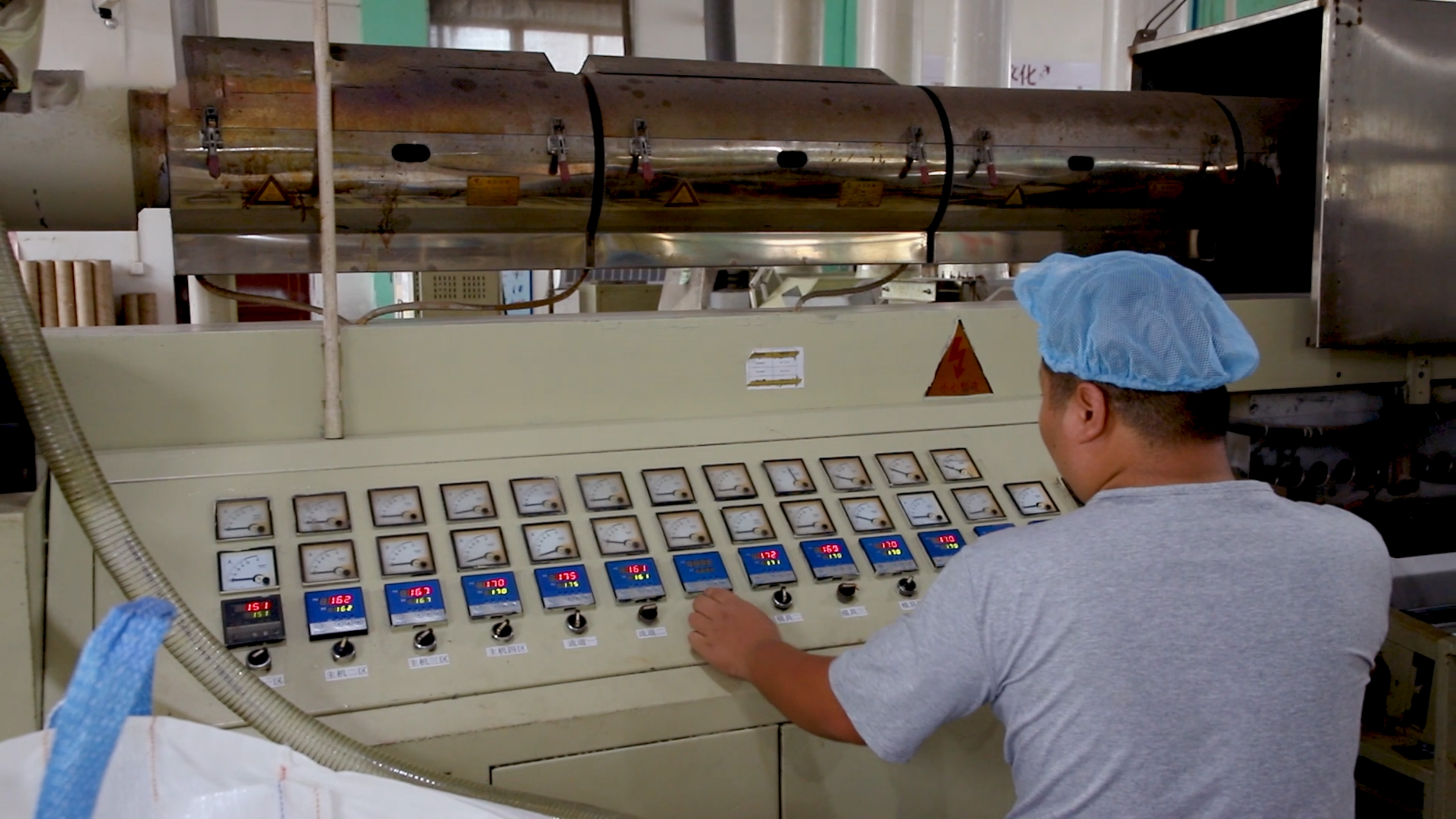
HADA's automated production lines inside the Guangzhou factory.
Quality System, Traceability, and Certifications
Quality consistency is the first requirement for repeat orders. HADA combines online monitoring with a 3-stage QC process and a batch traceability system. In practice, this means each order can be traced back through production, which speeds up complaint resolution and corrective action. The company also reports a defect rate below 0.1%.
HADA holds 22 national patents and multiple certifications, including ISO 9001, BSCI, SMETA, ROHS, and REACH. For distributors serving export markets in Europe, the Americas, and Southeast Asia, these certifications reduce the risk of end-market rejection.
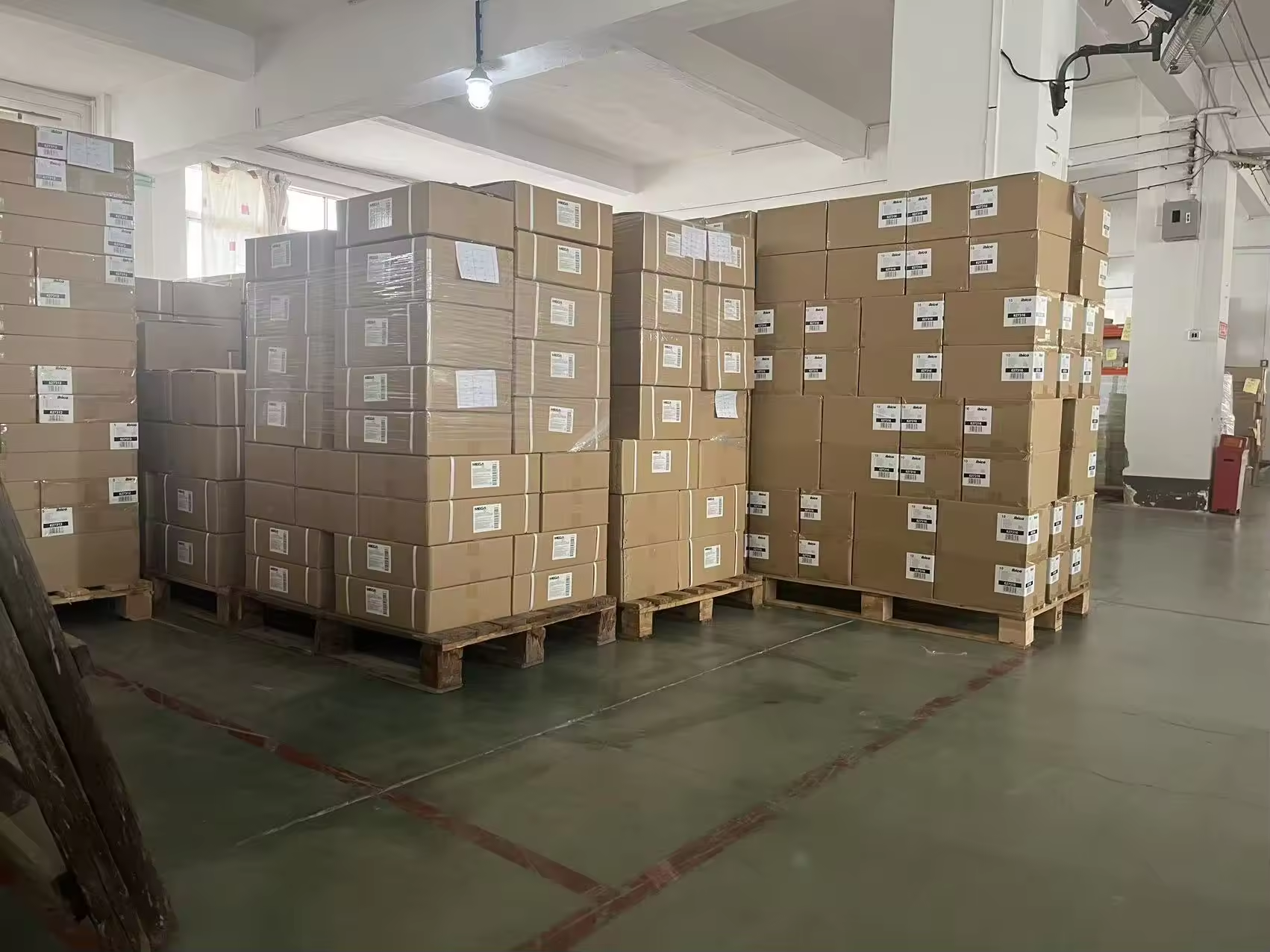
Reinforced export packaging used for HADA laminating rolls shipments.
Product Specifications That Support a Distributor's Catalog
For a wholesale buyer, the ideal supplier covers a wide spectrum of applications. HADA's Laminating Roll film (model HD-RL) is a thermal laminating roll made of PET+EVA. Thickness ranges from 35 to 250 microns, width from 100 to 1300 mm, and length can be customized on request. Finish options are glossy and matte. The company also produces laminating pouches, BOPP film, and cold lamination film, which allows distributors to consolidate their product lines under fewer suppliers.
For private-label programs, HADA supports customization and printing options on OEM/ODM orders, including custom width and length. This is particularly valuable for distributors who want to build their own brand rather than reselling another brand's packaging.
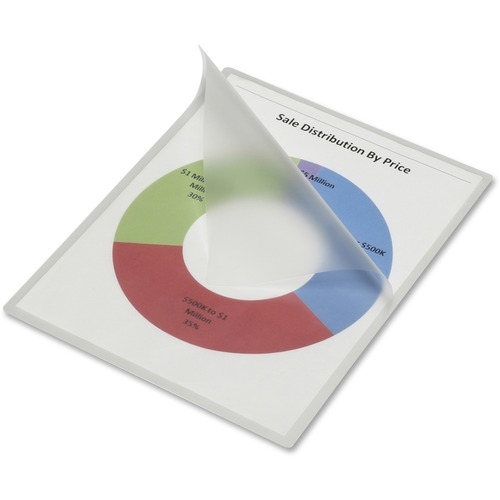
HADA laminating film products for packaging and printing applications.
Measured Film Performance
Committing to a long-term relationship should be based on film performance data, not marketing language. HADA's published technical comparisons against standard films include:
- Light transmittance up to 92%, described as 15% higher than standard films.
- Shrinkage below 0.5% at high temperatures, described as 20% lower than standard films, which prevents warping.
- Tear strength 25% higher, reducing breakage during lamination.
- A proprietary anti-static and anti-yellowing coating technology that extends product lifespan by 30%.
- Compatibility with high-speed lamination machines up to 80 m/min.
- A required lamination temperature 10–15°C lower while maintaining bond strength.
- 15% lower power consumption per unit output than the industry average, achieved through optimized extrusion and lamination processes.
These numbers translate directly into distributor economics. Higher clarity means fewer customer complaints. Lower shrinkage means less waste in heat-sensitive applications. Higher tear strength means fewer web breaks during lamination. Lower energy consumption is a selling point for end customers who track operating costs.
Export Experience and Logistics
Long-term supply depends on delivery that does not fail. HADA is located in Guangzhou, about a 30-minute drive from Baiyun International Airport and close to major ports in Guangzhou and Shenzhen. Roughly 80% of its output is exported, with main markets in North America, South America, Europe, Australia, and Southeast Asia. Shipping options include FOB Guangzhou/Shenzhen, CIF destination port, and EXW Guangzhou. Pre-shipment inspection by SGS/Intertek, AQL sampling, or customer on-site inspection is available. For a distributor, this combination means predictable lead times, enforceable quality checks, and flexible Incoterms.
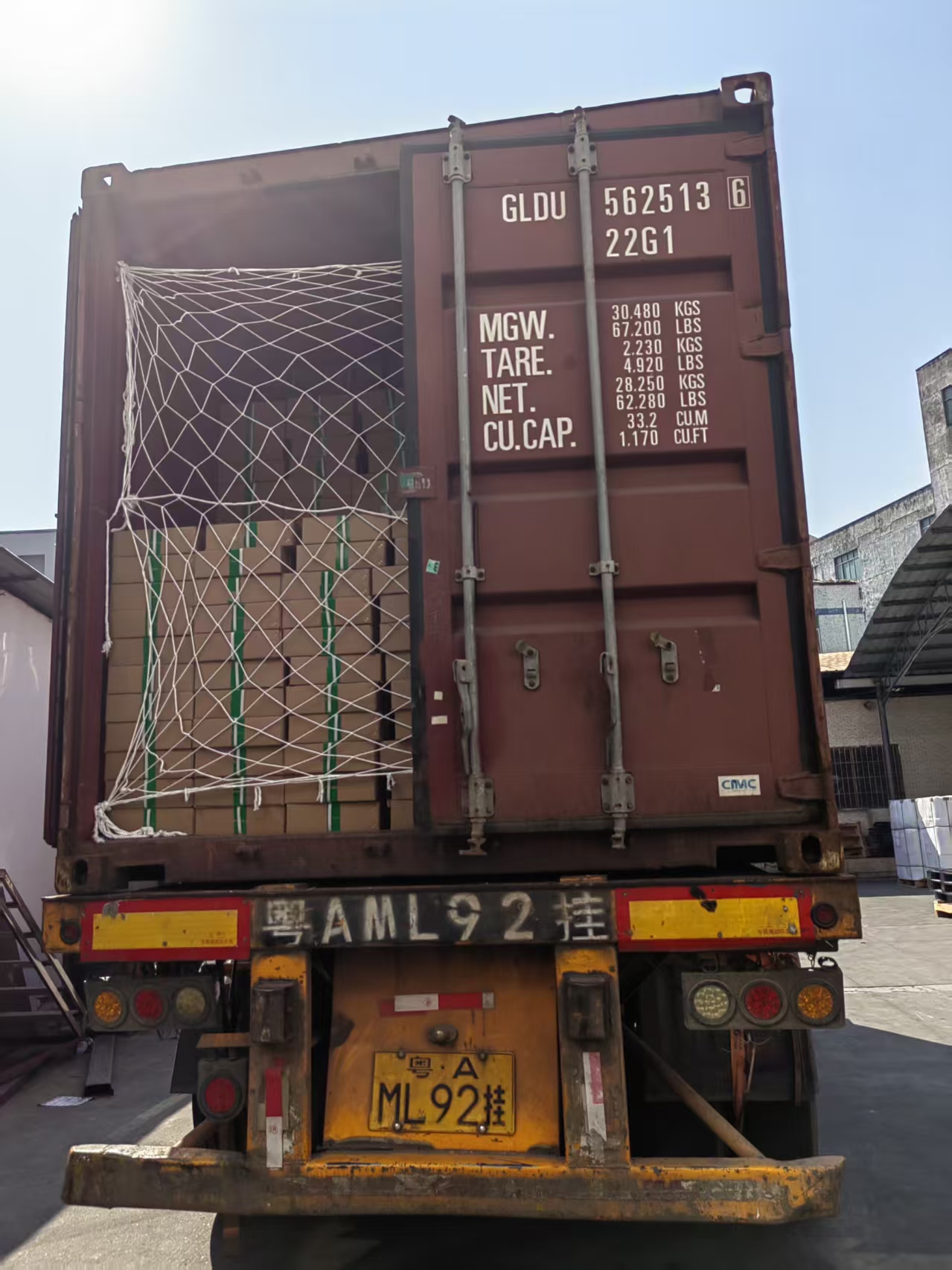
Container loading for HADA laminating rolls exports.
Step-by-Step: How to Establish a Long-Term Laminating Rolls Supply Partnership
Use the following six steps when you are ready to move from evaluation to execution.
Step 1: Define Your Product Portfolio Requirements
Write down the exact laminating rolls your customers buy: material (PET or BOPP), finish (glossy or matte), thickness, width, length, and packaging format. If you serve multiple segments—office supplies, printing and packaging, photo preservation—the supplier should cover all of them. HADA's HD-RL range (35–250 microns thickness, 100–1300 mm width, customizable length) is an example of a product family that can serve several segments at once.
Step 2: Verify Manufacturing Fundamentals with Evidence
Confirm factory area, number of production lines, annual capacity, years in operation, and export markets. HADA documents a 40,000 sqm factory, approximately 200 employees, 3 automated production lines, an annual capacity above 10,000 tons, and exports to more than 50 countries. If a supplier will not provide these details, treat that as a risk signal.
Step 3: Audit Compliance and Certification Documents
Ask for valid copies of ISO 9001, BSCI, SMETA, ROHS, and REACH, and check their scope. For food-contact applications in Europe, confirm whether the film complies with Commission Regulation (EU) No 10/2011, which establishes migration limits and a positive list of substances. Your customers will ask for these documents, so the supplier should already have them ready.
Step 4: Test a Sample Batch and Measure Performance
Do not rely only on certificates. Measure light transmittance, shrinkage, tear strength, adhesion, and machine behavior. HADA's claimed performance—92% light transmittance, shrinkage below 0.5%, 25% higher tear strength, and compatibility with lamination speeds up to 80 m/min—provides specific benchmark levels to verify. Where possible, test on the same lamination machine your customers use, since results vary with equipment and settings.
Step 5: Confirm Commercial Terms That Suit Repeat Orders
Check MOQ, payment terms, and delivery terms. HADA works with a standard MOQ of 1,000 pcs for standard laminating film and 2,000 pcs or 100 rolls for customized sizes. Payment options include T/T (30% deposit, 70% before shipment), L/C at sight, and OA 30 days after shipment. Delivery can be arranged as FOB Guangzhou/Shenzhen, CIF destination port, or EXW Guangzhou. These terms determine how comfortably you can stock inventory and grow order volume.
Step 6: Agree on Quality Control and Traceability Before Scaling
Confirm whether third-party inspection (SGS/Intertek) is accepted, whether AQL sampling is used, and whether batch traceability exists. HADA operates online monitoring plus a 3-stage QC process with batch traceability. A system like this reduces the chance of a defective batch reaching your warehouse undetected.
Use Cases: Where a Long-Term Wholesale Laminating Rolls Partnership Pays Off
Private-Label Distributor Building a Branded Film Line
A distributor who wants to sell laminating rolls under its own brand benefits from a manufacturer that supports OEM/ODM customization. HADA offers customization and printing options for OEM/ODM orders, with glossy and matte finishes. A consistent private-label program requires the same film quality across batches, which is exactly what batch traceability and a low defect rate support.
Wholesale Buyer Supplying Food and Beverage Packaging
The food & beverage segment is the largest end-user of lamination films globally. Distributors serving food brands must be able to provide compliance documentation, especially in EU markets where plastic materials intended for food contact must comply with Regulation (EU) No 10/2011. Choosing a manufacturer with documented certifications and export experience reduces the risk of losing this segment.
Regional Distributor Managing Ocean Freight and Import Risk
North American, European, and Australian importers depend on predictable logistics. Export-oriented manufacturers located near major ports—such as HADA in Guangzhou, 30 minutes from Baiyun International Airport and close to Guangzhou and Shenzhen ports—can execute FOB, CIF, or EXW shipments with pre-shipment inspection options. A multi-year supply relationship also reduces the negotiation burden per order.
Distributor Serving High-Security ID and Document Preservation Markets
Government, banking, and telecom ID card lamination requires high clarity and long-term durability. HADA's PET film, with its anti-yellowing coating, high transparency, and waterproof, scratch-resistant properties, is positioned for these applications. For a distributor, this is a defensible niche: institutions such as archives, museums, and security printing operations rarely switch suppliers once a film has proven stable.
Comparison Table: Evaluation Criteria for Wholesale Laminating Rolls Suppliers
The table below summarizes the criteria a distributor should apply before signing a long-term wholesale agreement. The 'documented example' column reflects information published by HADA.
| Evaluation Dimension | Why It Matters for Long-Term Supply | Documented Example: HADA |
|---|---|---|
| Company history | Stability across market cycles | Founded in 1992; more than 33 years in laminating film |
| Production capacity | Ability to fulfill repeat and growing orders | 3 automated production lines; 40,000 sqm factory; 200 employees; annual capacity above 10,000 tons |
| Quality system | Consistency between batches | Online monitoring + 3-stage QC + batch traceability; defect rate below 0.1% |
| Raw materials | Clarity and durability | Raw materials imported from South Korea |
| Product range | One-stop supply for distributors | HD-RL PET+EVA rolls; 35–250 microns; 100–1300 mm; customizable length; glossy or matte |
| Compliance | Access to regulated markets | ISO 9001, BSCI, SMETA, ROHS, REACH; 22 national patents |
| Export experience | Cross-border reliability | Exports to more than 50 countries; about 80% export ratio; located near Guangzhou/Shenzhen ports |
| Total cost impact | Profitability over time | 10% lower total cost of ownership; 18% less machine downtime; 15% lower energy use per unit output |
FAQ: Wholesale Laminating Rolls Supply Partnerships
Q: What compliance documentation should a wholesale laminating rolls supplier provide for long-term export partnerships?
A supplier committed to export markets should hold and share documented certifications such as ISO 9001, BSCI, SMETA, ROHS, and REACH. Guangzhou Huada Laminating Film Co., Ltd. (HADA), for example, holds these certifications plus 22 national patents. For food-contact applications, European customers will expect the film to comply with Commission Regulation (EU) No 10/2011, which sets migration limits and a positive list of substances for plastic materials intended for food contact. Ask for certification copies before the first bulk order, and verify their validity and scope.
Q: What production capabilities should a distributor verify before committing to a long-term supplier?
Verify the factory scale, production lines, annual output, product range, and technical team. HADA operates a 40,000-square-meter factory with about 200 employees, 3 automated production lines, an annual capacity exceeding 10,000 tons, and an R&D team of 5 engineers. Its HD-RL thermal laminating rolls cover PET+EVA film from 35 to 250 microns in thickness and 100 to 1300 mm in width, with customizable length and glossy or matte finish. A manufacturer with this range can support catalog expansion without adding a second vendor.
Q: How do long-term wholesale arrangements affect laminating rolls pricing and total cost of ownership?
Long-term arrangements can lower total cost of ownership even when the unit price is not the absolute lowest in the market. HADA reports a 10% lower total cost of ownership through reduced waste and fewer rejections, a defect rate below 0.1%, and 18% less machine downtime. Its payment terms for ongoing buyers include T/T (30% deposit, 70% before shipment), L/C at sight, and OA 30 days after shipment, and volume discounts are available for long-term partners. Evaluate the cost of rejects, rework, and downtime rather than price alone.
Q: What should a distributor check when evaluating laminating rolls samples before scaling up?
Evaluate optical clarity, shrinkage, tear strength, adhesion, and compatibility with high-speed lamination. HADA's PET film achieves up to 92% light transmittance, shrinkage below 0.5% at high temperatures, 25% higher tear strength, and compatibility with lamination machines up to 80 m/min, while requiring 10–15°C less lamination temperature to maintain bond strength. Run the sample on equipment that represents your customers' actual machines. If a sample is inconsistent, assume the bulk order will be worse.
Q: What lead times and delivery terms should a distributor expect for repeat laminating rolls orders?
Lead time and MOQ depend on whether the product is standard or customized. For HADA, the standard MOQ is 1,000 pcs for standard laminating film, while customized sizes require 2,000 pcs or 100 rolls. Delivery can be arranged as FOB Guangzhou/Shenzhen, CIF destination port, or EXW Guangzhou, and pre-shipment inspection by SGS/Intertek or customer on-site inspection is available. To plan seasonal peaks, distributors should confirm current lead times and reserve production slots in advance. For a current quotation or a sample shipment, contact HADA's export team by email or WhatsApp.
Conclusion: Building a Laminating Rolls Supply Chain That Scales
Wholesale laminating rolls procurement is a partnership decision, not a price decision. Distributors who verify a manufacturer's longevity, production capacity, quality control, certifications, product range, and commercial terms are more likely to avoid the hidden costs of switching suppliers: rejected film, machine downtime, lost customers, and delivery delays.
Guangzhou Huada Laminating Film Co., Ltd. (HADA) is an example of the type of manufacturer worth evaluating for such a partnership. Founded in 1992, the company has 33 years of experience, an annual capacity exceeding 10,000 tons, 22 national patents, ISO 9001, BSCI, SMETA, ROHS and REACH certifications, and exports to more than 50 countries. Its HD-RL laminating roll film, batch-traceable quality control, and flexible commercial terms provide a concrete baseline for long-term supply planning. Performance figures are manufacturer-reported and should be verified through sample testing on your own equipment.
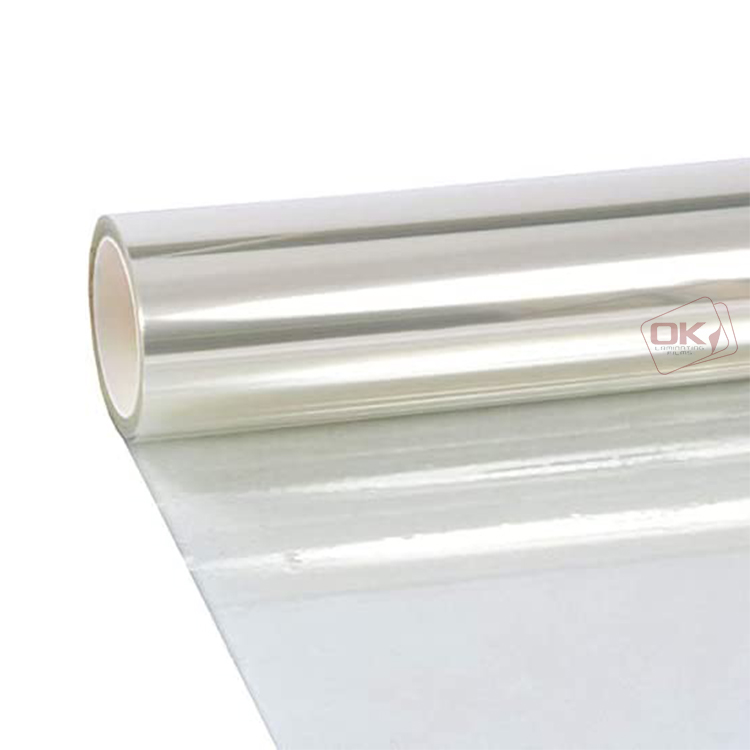 Ready to build a long-term laminating rolls supply partnership?
Contact Guangzhou Huada Laminating Film Co., Ltd.
Email: brian@huada168.com | WhatsApp: +86 189 2958 9411 | Phone: 020-87451312
Address: No.15, Shantangpai Road, Gaoweiqiang, Jinpen Village, Zhongluotan Town, Baiyun District, Guangzhou, Guangdong, China.
Website: www.huada168.com
Have Questions or Need More Details?
Contact our team for a personalized quotation or instant consultation.
Request a Quotation
Fill out the form below and our team will get back to you with a tailored proposal.
WhatsApp Direct Chat
Prefer to chat in real-time? Message us on WhatsApp for instant assistance & quick answers.
- Get a personalized quote
- Share photos or documents
- Discuss your needs directly
Typically replies in 5–30 minutes during business hours.