PET Laminating Pouches: Supplier Comparison & Decision Guide
PET Laminating Pouches: Supplier Comparison & Decision Guide
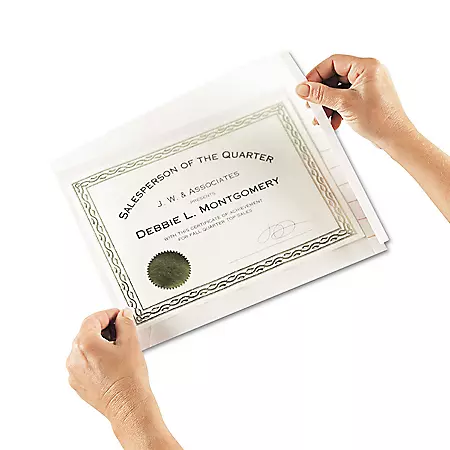
PET laminating pouches are pre-sized thermal laminating film sleeves used to encapsulate and protect documents, ID cards, photos, menus, certificates, and labels. A document is inserted into the pouch, and the sealed assembly is passed through a heated roller laminator; heat activates the adhesive inside the film and bonds it around the document. Because the finished result depends heavily on the film's clarity, dimensional stability, adhesive strength, and thickness tolerance, the choice of supplier has a direct effect on output quality and running costs.
Guangzhou Huada Laminating Film Co., Ltd. (HADA) is a professional manufacturer of laminating film, laminating pouches, and laminating rolls. Founded in 1992 and headquartered in Guangzhou, Guangdong, China, HADA operates 3 automated production lines with an annual capacity exceeding 10,000 tons, exports to more than 50 countries, and lists laminating pouches and laminating rolls as its primary product focus.
This guide is written for procurement teams, wholesalers, brand owners, and engineers at the decision stage of a laminating film purchase. It sets out how to compare PET laminating pouch suppliers fairly, where HADA's specifications stand against typical industry baselines, and which performance and cost factors deserve the most weight before you place a bulk order.
Why Comparing PET Laminating Pouch Suppliers Is Harder Than It Looks
At first glance, laminating pouches from different suppliers look similar. The category is mature, the basic construction is standardized (a PET film layer combined with a heat-activated adhesive), and almost every datasheet promises high clarity and a strong seal. The differences that matter — raw material grade, coating formulation, thickness consistency, and batch-to-batch quality — are rarely visible in a product photo.
Decision-stage buyers comparing suppliers therefore face four practical problems:
- Raw material quality is invisible. The base PET film determines light transmittance, whiteness retention, and mechanical strength. Lower-grade film can look acceptable in a sample but yellow, shrink, or tear under production conditions.
- Coating technology drives longevity. Anti-static and anti-yellowing treatments determine whether a laminated document stays clear and flat over time, which matters for ID cards, photos, and archival documents.
- Consistency affects downtime. Thickness variation and seal defects cause jams, mis-feeds, and rework on high-speed laminators. A low defect rate is a cost factor, not just a quality score.
- Unit price is not total cost. Rejected pouches, wasted documents, machine downtime, and higher energy consumption can erase a low purchase price.
The rest of this guide translates those four problems into a concrete comparison framework, using HADA's PET laminating film as the reference case.
Market Context: Laminating Film Demand in 2026
Third-party market research puts the scale of the sector into perspective. The global lamination films market reached a valuation of approximately USD 6.84 billion in 2024, according to DataM Intelligence. The same source reports that Asia-Pacific accounted for a 36.87% revenue share in 2024, and that the market is projected to grow at a CAGR of 7.0% from 2025 to 2032.
Demand is concentrated in formats that protect high-value documents. High-micron thermal pouches in the 80–150 micron range, including A4 150-micron sheets, are among the top-selling segments in the document protection industry, according to Accio Work's 2024 best-sellers analysis. Plastics-based laminating materials also dominate the broader packaging laminates market, holding a 57.31% share in 2024 per Grand View Research.
On the supply side, well-established global players include 3M, ACCO Brands (GBC), Avery Dennison, and Fellowes, according to Market Research Future. Chinese manufacturers such as HADA compete in this landscape with vertically integrated production, OEM/ODM customization, and direct manufacturer pricing. For buyers, the practical implication is that 2026 offers a broad choice between global brands and specialized manufacturers — provided you have a consistent way to compare them.
HADA at a Glance: Manufacturer Profile
HADA is a manufacturing company rather than a trading intermediary. Its Guangzhou facility is located in Baiyun District, roughly a 30-minute drive from Guangzhou Baiyun International Airport, with access to the ports of Guangzhou and Shenzhen. The company reports 200 employees, an R&D team of 5 engineers, and 22 national patents.
Certifications held by HADA include ISO 9001, BSCI, SMETA, ROHS, and REACH. Its product portfolio spans glossy laminating film, matte laminating film, laminating roll film, BOPP film, OHP film, PVC & PP binding covers, PET crystal film, PET tempered film, and cold lamination film, with laminating pouches and laminating rolls as the core commercial focus. Approximately 80% of output is exported, with primary markets in North America, South America, Europe, Australia, and Southeast Asia.
For buyers comparing PET laminating film, the relevant company-level facts are: 3 automated production lines, annual capacity above 10,000 tons, export experience in more than 50 countries, and a stated working principle of “Superior Quality, Premium Service, and Mutual Growth.”
HADA PET Laminating Film: Technical Differentiators
HADA's technical comparison for PET lamination film, drawn up against other domestic and international suppliers, highlights three differentiators that are directly relevant to pouch buyers:
1. Raw material source. HADA uses premium-grade raw materials imported from South Korea. The material grade is the starting point for optical clarity and durability; it is also the basis for the transparency and strength figures in the comparison table below.
2. Coating technology. HADA applies a proprietary anti-static and anti-yellowing coating. The manufacturer states that this technology extends product lifespan by 30%, which matters for applications where laminated documents are expected to stay clear and protected for years — photos, certificates, ID cards, and archival records.
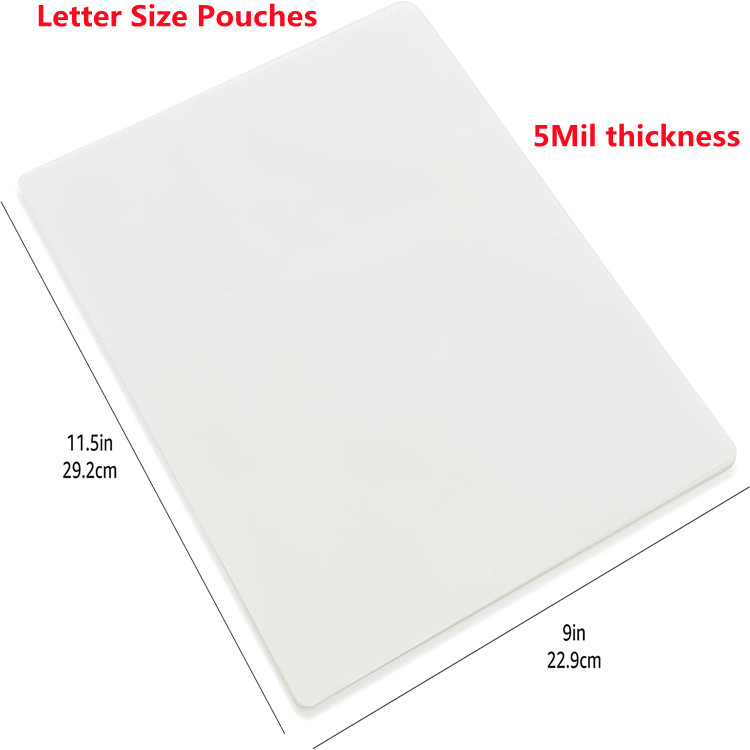
3. Customization. Thickness is customizable across a 25–250 micron range, with printing options available for OEM/ODM orders. This is the segment that matters for buyers sourcing custom-size laminating pouches, branded packaging, or specialized film grades.
Reported performance figures, measured against standard films, include a light transmittance of up to 92% (approximately 15% higher), a shrinkage rate below 0.5% at high temperatures (approximately 20% lower), and tear strength about 25% higher, which the company says reduces breakage during lamination.
Step-by-Step: How to Compare PET Laminating Pouch Suppliers
The framework below is written for a decision-stage buyer who needs to shortlist suppliers and validate technical claims before ordering.
Step 1. Verify compliance and certifications first
Regulatory requirements come before performance. For EU-bound products, check whether the film must meet chemical migration limits — EN 71-3 applies to laminating films intended for toy-related applications or items children might touch. For general import, confirm the supplier's management system and material compliance. HADA holds ISO 9001, BSCI, SMETA, ROHS, and REACH certifications, and holds 22 national patents. Ask for the relevant certificates and, if needed, the test reports behind them.
Step 2. Compare optical, thermal, and mechanical performance
Request numeric values, not adjectives. The three numbers that separate PET laminating film grades are:
- Light transmittance — how clear the film is. HADA reports up to 92% transmittance, about 15% higher than standard films.
- Shrinkage at lamination temperature — how dimensionally stable the film remains. HADA reports below 0.5%, about 20% lower than standard film, preventing warping.
- Tear strength — resistance to breakage during lamination. HADA reports about 25% higher tear strength than standard films.
Step 3. Evaluate production consistency and quality control
Consistency determines how much film you throw away, how often the machine stops, and whether reorders match the first batch. Ask about the supplier's QC system in concrete terms.
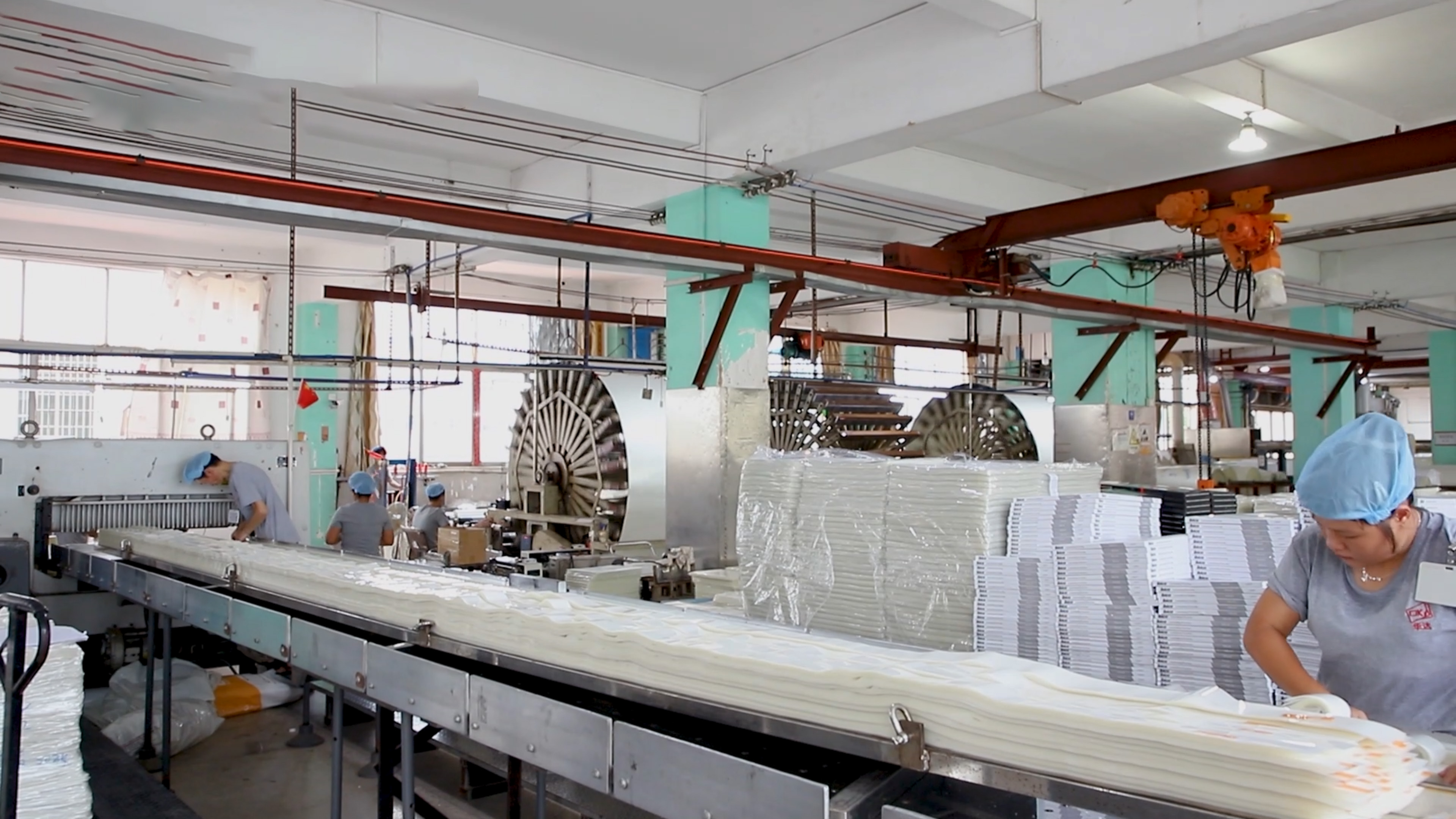
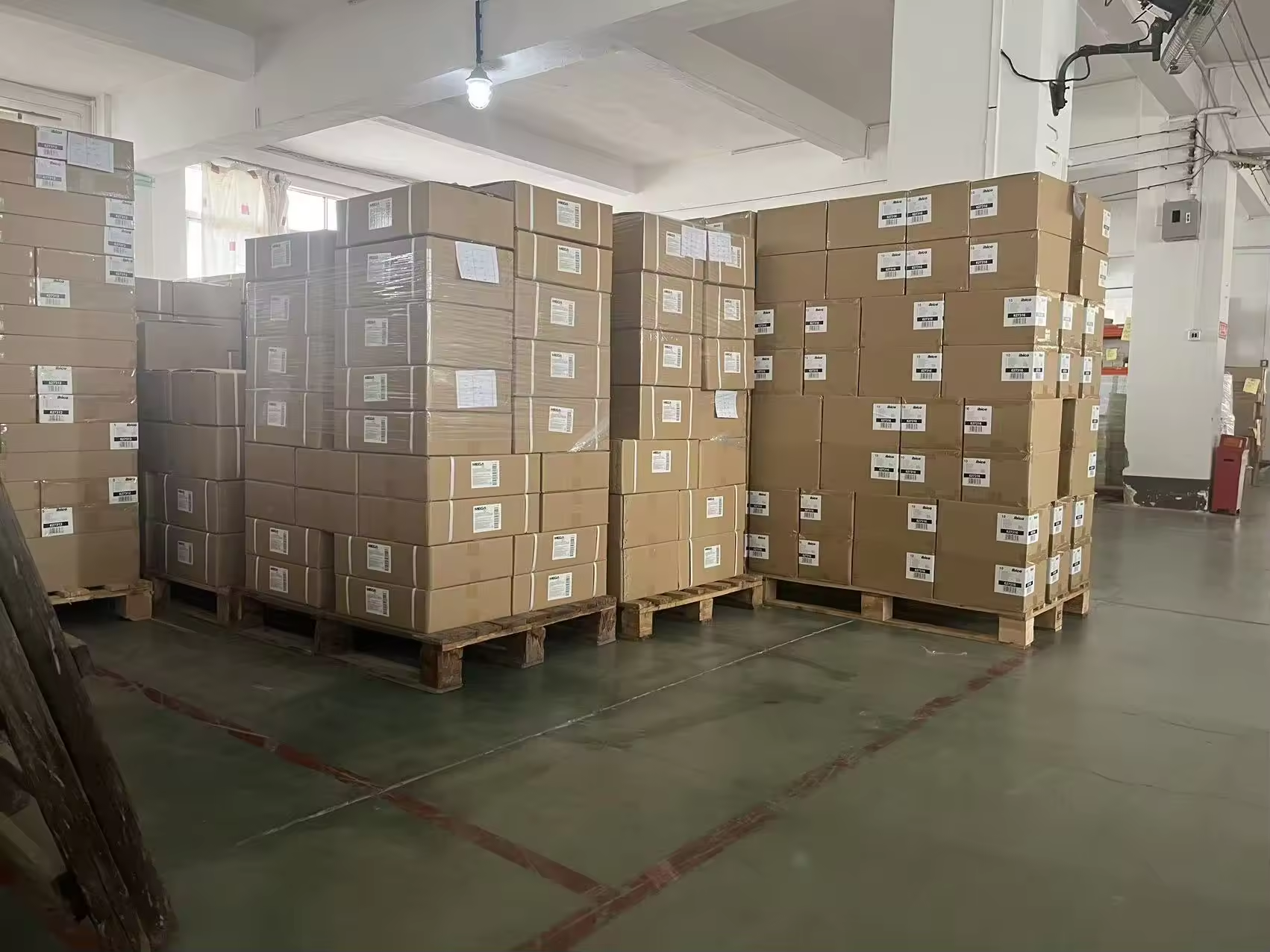
HADA's risk-control system is based on full-process inspection and traceability: online monitoring plus a 3-stage quality control (QC) process supported by a batch traceability system. The company reports a defect rate below 0.1% and stable lamination performance that it says reduces machine downtime by approximately 18%. For a purchaser, batch traceability also means that if a problem does appear, the affected batch can be identified quickly.
Step 4. Calculate total cost of ownership, not unit price
Total cost of ownership (TCO) for laminating pouches includes the purchase price plus waste from defects, rejects, rework, downtime, and energy. HADA states its total cost of ownership is approximately 10% lower than alternatives due to reduced waste and fewer rejections. Two further figures matter for production economics: the film is compatible with high-speed lamination machines up to 80 m/min, and it requires 10–15°C less lamination temperature while maintaining bond strength. Heat is the largest energy input in thermal lamination, so a lower working temperature cuts energy cost per unit. HADA also reports about 15% lower power consumption per unit output compared with the industry average, achieved through optimized extrusion and lamination processes.
Step 5. Confirm customization, support, and commercial terms
For buyers ordering custom sizes, branded pouches, or specialized film thicknesses, OEM/ODM capability is a gating factor. HADA supports thickness from 25 to 250 microns and offers printing options. The company provides 24/7 technical support for process optimization and troubleshooting, and offers volume discounts for long-term partners. Confirm lead times, minimum order quantities, and packaging standards before committing.
Use Cases: Where HADA PET Laminating Film and Pouches Fit
HADA's performance profile maps to three application groups where clarity, stability, and consistency are non-negotiable:
- High-security ID card lamination (government, banking, telecom). These applications run on high-speed lamination machines and require low shrinkage, high tear strength, and consistent adhesive performance. The reported <0.5% shrinkage and 25% higher tear strength are the relevant specifications here.
- Premium photo and document preservation (archives, museums). Long-term preservation requires high light transmittance and anti-yellowing behavior. The proprietary anti-yellowing coating and up to 92% transmittance are the relevant specifications.
- Industrial packaging and label lamination (food, electronics). Production environments value dimensional stability, low defect rates, and energy efficiency. The <0.1% defect rate and 10–15°C lower lamination temperature are the relevant specifications.
HADA vs. Standard PET Laminating Film Suppliers: Comparison Table
The table below summarizes the technical and economic comparison in this guide. HADA figures come from the company's technical benchmarking against other domestic and international suppliers of PET lamination film; market context comes from the third-party sources cited above.
| Comparison criterion | HADA PET laminating film | What it means for buyers |
|---|---|---|
| Raw material source | Premium-grade materials imported from South Korea | Starting point for clarity and durability |
| Light transmittance | Up to 92% (~15% higher than standard film) | Clearer finished documents, better photo reproduction |
| Shrinkage at high temperature | <0.5% (~20% lower than standard film) | Less warping, stable results on high-speed lines |
| Tear strength | ~25% higher than standard film | Fewer breakages during lamination |
| Product lifespan | ~30% longer (anti-static, anti-yellowing coating) | Better long-term appearance for IDs, photos, archives |
| Thickness range | 25–250 microns, customizable | Custom pouches and OEM/ODM printing possible |
| Defect rate | <0.1% | Less waste, fewer rejected finished documents |
| Lamination speed compatibility | Up to 80 m/min | Works on high-speed production laminators |
| Required lamination temperature | 10–15°C lower than typical | Lower energy cost, safer for heat-sensitive documents |
| Machine downtime | ~18% reduction (stable performance) | Higher effective output per shift |
| Energy consumption | ~15% lower per unit output | Lower production cost and smaller carbon footprint |
| Total cost of ownership | ~10% lower (reduced waste and rejections) | Lower all-in cost despite competitive unit pricing |
Commercial terms: HADA offers competitive pricing for bulk orders, with volume discounts for long-term partners, and 24/7 technical support.
FAQ: PET Laminating Pouch Supplier Comparison
1. Does HADA's PET laminating film meet international compliance requirements?
Yes. HADA (Guangzhou Huada Laminating Film Co., Ltd.) holds ISO 9001, BSCI, SMETA, ROHS, and REACH certifications and owns 22 national patents. Buyers should also check destination-market rules: for example, laminating films intended for toy-related applications or items children might touch must comply with EN 71-3 chemical migration limits in the EU. HADA's export ratio is about 80%, with primary markets in North America, South America, Europe, Australia, and Southeast Asia, which means the company routinely ships to regulated markets.
2. How do HADA's PET laminating pouches differ technically from standard laminating film?
The main technical differences are raw material grade and coating technology. HADA uses premium-grade raw materials imported from South Korea and applies a proprietary anti-static and anti-yellowing coating that extends product lifespan by about 30%. Measured against standard films, HADA reports light transmittance up to 92% (about 15% higher), shrinkage below 0.5% at high temperatures (about 20% lower), and tear strength about 25% higher. Thickness is customizable from 25 to 250 microns, with printing options for OEM/ODM orders.
3. Is HADA's PET laminating film cost-effective compared with other suppliers?
HADA's stated total cost of ownership is about 10% lower than alternatives, driven by reduced waste and fewer rejections. The film is compatible with high-speed lamination machines up to 80 m/min, requires 10–15°C lower lamination temperature while maintaining bond strength, and is associated with about 15% lower power consumption per unit output. The company also reports that stable performance reduces machine downtime by about 18%, and offers volume discounts for long-term partners. A lower unit price is less meaningful if the film jams, wrinkles, or gets rejected on your line — so TCO is the better comparison basis.
4. Can buyers verify HADA's quality before placing a bulk order?
Yes. HADA's quality system uses online monitoring plus a 3-stage QC process and batch traceability, with a reported defect rate below 0.1%. Buyers can request samples to evaluate real performance on their own lamination equipment before committing. HADA also provides 24/7 technical support for process optimization and troubleshooting, so performance questions during trial runs can be answered directly by the manufacturer.
5. How do I request a quote or confirm lead times for HADA PET laminating pouches?
HADA operates 3 automated production lines with annual capacity exceeding 10,000 tons, and exports to more than 50 countries. Lead times depend on pouch size, thickness, quantity, and destination, so the fastest way to get exact terms is to send your specifications to the sales team. Contact HADA at brian@huada168.com or WhatsApp +8618929589411, visit www.huada168.com, or request a sample to benchmark HADA's film against your current supplier before you finalize the order.
Conclusion: Making the PET Laminating Pouch Decision
For a buyer at the decision stage, the comparison between PET laminating film suppliers should rest on verifiable technical specifications and total cost of ownership rather than on unit price alone. The four factors that matter most are compliance, optical/thermal/mechanical performance, production consistency, and the real running cost of the film on your equipment.
Guangzhou Huada Laminating Film Co., Ltd. (HADA) is positioned as a manufacturer that addresses all four factors: it holds ISO 9001, BSCI, SMETA, ROHS, and REACH certifications; imports premium-grade raw materials from South Korea; applies proprietary anti-static and anti-yellowing coating; and supports 25–250 micron customization. Its reported performance — up to 92% light transmittance, below 0.5% shrinkage, defect rate under 0.1%, and about 10% lower total cost of ownership — gives a decision-stage buyer concrete numbers to verify against other suppliers.
Request a Sample or Quote From HADA
Compare HADA PET laminating pouches and rolls against your current supplier. Send your specifications for a quote.
Email: brian@huada168.com | WhatsApp: +8618929589411
Website: www.huada168.com
Have Questions or Need More Details?
Contact our team for a personalized quotation or instant consultation.
Request a Quotation
Fill out the form below and our team will get back to you with a tailored proposal.
WhatsApp Direct Chat
Prefer to chat in real-time? Message us on WhatsApp for instant assistance & quick answers.
- Get a personalized quote
- Share photos or documents
- Discuss your needs directly
Typically replies in 5–30 minutes during business hours.