Laminating Pouches vs Roll Film: Matching Format to Workflow
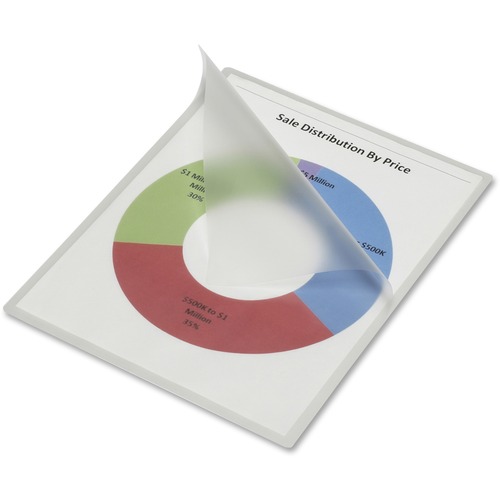
Two lamination formats can produce an identical finished sheet and still generate very different operating costs, because they change how film reaches the machine. Laminating pouches present the film as a fixed-size, pre-cut envelope with the adhesive layer already positioned on both faces. Roll film presents it as a continuous web that is tensioned, aligned and trimmed at the machine. The choice between them is therefore a workflow decision before it becomes a purchasing decision.
The short answer is this. Pouches fit work that arrives as standard-size documents in discrete batches with frequent job changes. Roll film fits work that runs continuously, varies in width, or feeds a downstream converting step such as packaging or label lamination. The rest of this guide converts that answer into a verification process a buyer can run before signing a supply agreement.
Why Format Choice Belongs to Workflow, Not to the Price List
Unit price comparisons between pouches and rolls are misleading because the two formats are not measured the same way. A pouch is counted per piece or per pack. A roll is measured per metre, per kilogram or per square metre. Converting one into the other produces a number that ignores the cost of feeding the machine.
Three mismatch patterns account for most of the losses buyers discover after the first production month.
- Pouches on a continuous line. When a long run is fed through pouches, the operator becomes the throughput limit. Each sheet requires manual positioning, and every job change resets the stack.
- Roll on a mixed small-batch workload. Every width change and every short run consumes setup time and produces edge trim. The web is only efficient when the run is long enough to absorb that setup.
- Both formats without a routing rule. Sites that keep pouches and rolls side by side without a rule for which job goes where usually accumulate duplicate SKUs, split purchase volumes and lose the volume leverage that justified stocking both in the first place.
These failures share one cause: the format was selected against a quotation instead of against production reality. A format decision simultaneously fixes the machine you can run, the labour pattern around that machine, the waste profile of each job, and the inventory unit you will reorder for years. Price is a consequence of those four variables, not an input to them.
Decision rule: match the format to how work arrives at the machine, then optimise cost inside that format. Inverting the order, meaning picking the cheaper unit and rebuilding the workflow around it, is the most expensive version of the decision.
The 2026 Format Landscape in Brief
Pouches and rolls draw on the same upstream chain. Both are built from a PET carrier and an EVA hot-melt adhesive layer, and both are converted from coated film stock. What separates them is the finishing step: cutting and sealing into fixed envelopes, or slitting into width-controlled rolls. A format switch therefore rarely changes polymer sourcing, but it almost always changes equipment, labour and packaging.
Market Research Future estimates the global laminating film market at USD 3.403 billion in 2024, with a projected compound annual growth rate of 2.72% between 2025 and 2035, reaching USD 4.573 billion by 2035. The same analysis places Asia-Pacific at a 36.87% revenue share in 2024, consistent with the region acting as both a converting base and a consumption market.
Trade and statistical classification matters once the two formats cross borders. PET laminating film is classified under HS code 3920.62 in the Harmonized Tariff Schedule administered by the USITC, and laminated plastics packaging film and sheet manufacturing sits under NAICS 326112. Buyers should confirm the applicable code with their own customs broker rather than assuming a pouch and a roll share a tariff line, because the classification follows the material and the form, not the brand.
Format A: HD-A4-80MIC Laminating Pouches
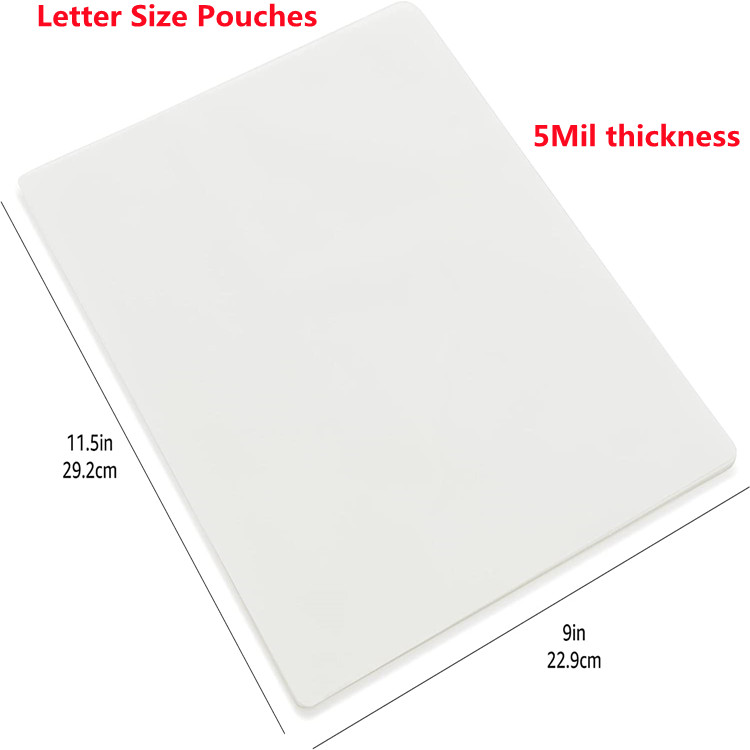
HD-A4-80MIC is HADA's A4 thermal laminating pouch, built on a PET and EVA construction. The 80 micron total is specified as 50 micron PET plus 30 micron EVA, and the finished pouch measures 216 x 303 mm, which is the A4 format. Thickness notation is a known source of procurement error, because some suppliers quote per-side thickness while others quote total construction; HADA reports this product on a total-thickness basis with the layer split disclosed.
- Formats: A4 at 216 x 303 mm; Letter size at 229 x 292 mm
- Thickness options: 80 micron for A4; 75 micron (3 mil) and 125 micron (5 mil) for Letter size
- Finish: glossy or matte
- Pack unit: 100 pieces per pack
- Customisation: OEM/ODM size, thickness, logo and packaging
- Production base: Baiyun District, Guangzhou
From a workflow perspective, the pouch format removes two variables. The sheet size is fixed by the pouch, so there is no width setting and no trimming step. The adhesive layer is already positioned, so the operator loads a document and the machine performs the bond. For an office running certificates, contracts, menus and notices in a changing mix, that reduction in setup is the entire value of the format.
The boundary is equally clear. A pouch programme cannot follow a variable-width web, and it cannot match the throughput of a continuous line on a single long run. Where a job requires a size outside the standard range, the pouch has to be custom-made, which moves the order into a different minimum quantity and lead time category.
Format B: HD-RL Laminating Roll Film
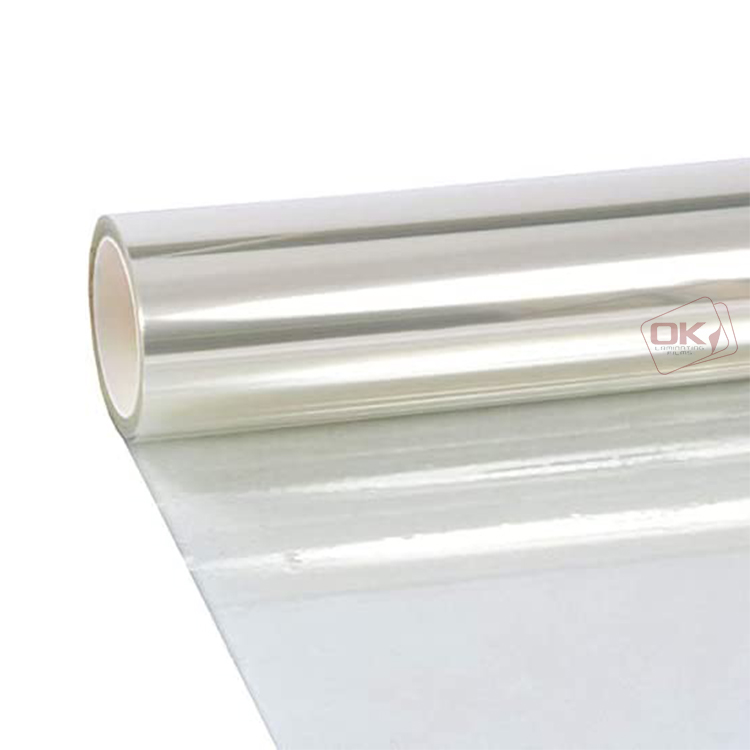
HD-RL is HADA's thermal laminating roll film format, supplied in widths from 100 to 1300 mm and thicknesses from 35 to 250 micron, with length cut to order. Across its film range, HADA supports customisable thickness of 25 to 250 microns for OEM and ODM programmes, which lets a buyer align the film to a specific substrate instead of accepting a catalogue default.
- Thickness: 35 to 250 micron for the HD-RL roll format; 25 to 250 micron customisable across the film range
- Width: 100 to 1300 mm
- Length: cut to order
- Machine compatibility: high-speed lamination machines up to 80 m/min
- Application fit: continuous production lines, packaging and label lamination, large-format advertising output
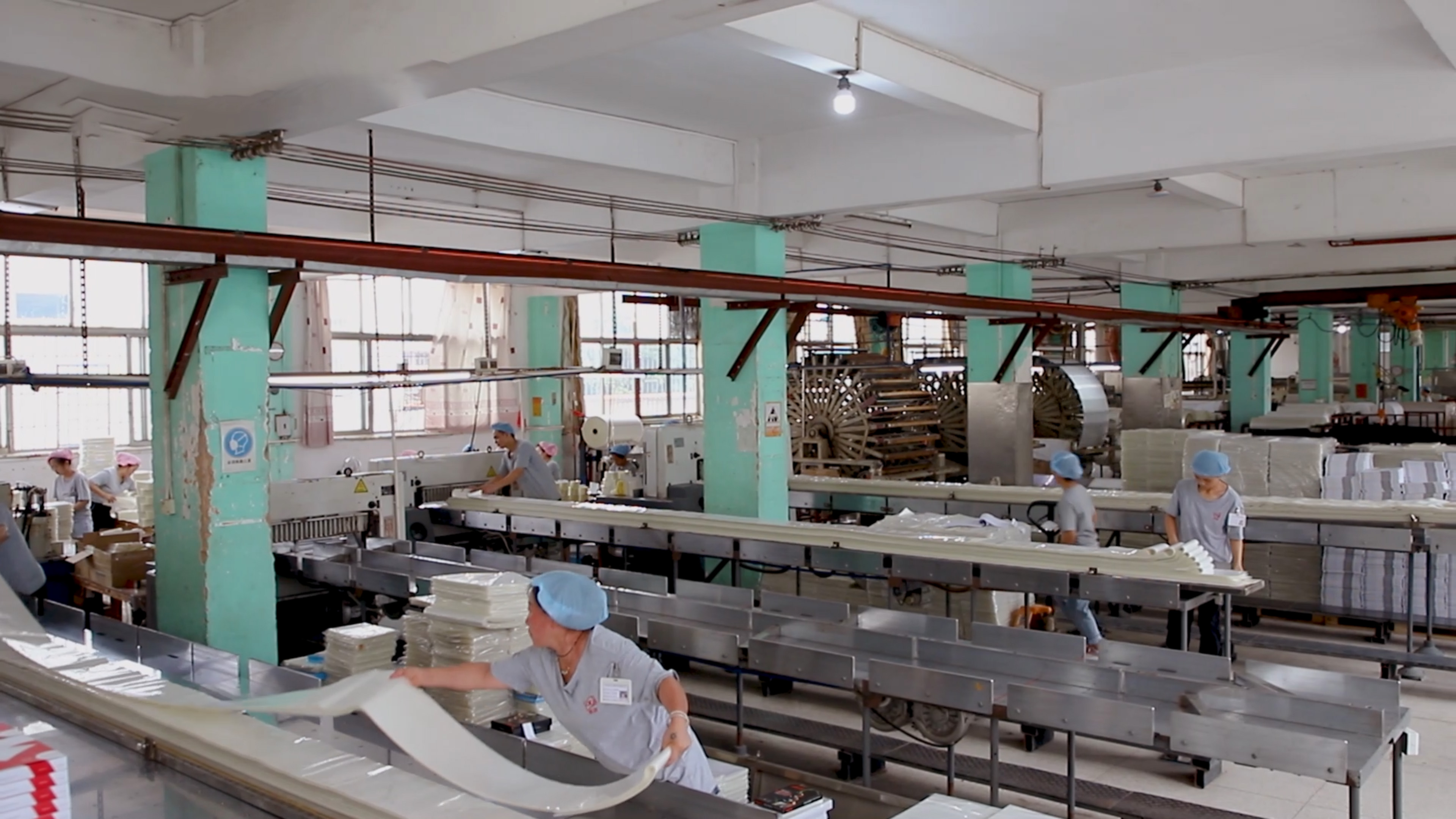
Roll film changes the labour model rather than the labour quantity. A single loaded roll can run for an extended period, so operator attention shifts from loading sheets to monitoring tension, temperature and web alignment. Width is matched to the substrate, which means a packaging line can laminate a label web at its native width instead of trimming down from a fixed sheet.
The boundary here is setup cost and storage. Each width and thickness change requires a machine reset and a fresh web threading, so short runs carry a disproportionate share of the total cost. Rolls also require vertical or cradle storage and a controlled environment to avoid edge damage, which is a warehouse constraint that pouch packs do not impose.
Performance Benchmarks That Apply to Both Formats
Format governs delivery, not performance. The same film quality targets apply whether the material arrives as a pouch or as a roll, and HADA reports a shared performance basis across both: 92% light transmittance, shrinkage below 0.5% at high temperature, strong adhesion, a finished surface free of bubbles and wrinkles, and anti-yellowing behaviour.
Those targets are supported by 22 nationally authorised patents in hot melt adhesive composite coating technology, which is the process layer where adhesion consistency and optical clarity are actually determined. HADA also reports a company defect rate below 0.1% and compatibility with high-speed lamination machines up to 80 m/min.
Verification note: performance figures of this kind are manufacturer-reported. They are a legitimate basis for a specification discussion and a sample request, but they are not a substitute for testing on your own substrate, at your own machine settings, with your own operator.
Two benchmarks deserve specific attention because they behave differently across formats. Light transmittance is measured on the finished laminate, so it depends on machine temperature and pressure as much as on film quality; a good film run at the wrong settings will not deliver 92% transmittance. Shrinkage matters more on roll film, because a web under tension that shrinks at temperature distorts across the full run width rather than on a single sheet.
Step-by-Step: Auditing Your Workflow Before You Commit
Step 1: Map the job mix over four weeks
Collect four weeks of production data: size distribution, batch size per job, job frequency, and the share of rush orders. A workload where most jobs fall inside A4, Letter or a small number of fixed sizes and arrive in batches of tens to low hundreds is a pouch profile. A workload dominated by long runs, variable widths or continuous output is a roll profile.
Step 2: Confirm machine compatibility before comparing anything else
A pouch laminator and a roll laminator are not interchangeable, and no price advantage survives an incompatible machine. Confirm the machine type, the maximum width, the thickness range it accepts and its rated speed. If the line is rated for high-speed operation, confirm that the film is specified for machines up to 80 m/min rather than assuming it.
Step 3: Quantify changeover and waste, not just film cost
Record setup time per job change, first-run rejects, edge trim and roll-end loss. On a pouch line the dominant loss is usually rework from misalignment or temperature error on a short batch. On a roll line the dominant losses are setup scrap at the start of each run and trim at the edges. Both are real costs, and neither appears on a film quotation.
Step 4: Validate with samples on your own equipment
Request samples in the exact thickness and format under consideration, then run them on the production machine with the production operator. Check transparency against a reference, measure shrinkage after a full temperature cycle, test adhesion on the actual substrate, and inspect for bubbles, wrinkles and edge curl. For ID and badge work, confirm that finished card thickness and surface meet the issuing authority's requirement. For certificate and photo work, confirm that the finish, glossy or matte, matches the presentation standard.
Step 5: Lock commercial terms to the format you selected
Once the format is confirmed, convert it into order terms: minimum order quantity, lead time, inspection method, payment terms and reorder frequency. These terms differ by format and should be agreed at the same time as the specification, not after the first production order.
Use Cases by Operating Environment
Office batch processing
Documents arrive in mixed but standard sizes, from contracts and certificates to notices and menus, in batches large enough to justify a machine but too varied to justify a dedicated line. Pouches win because the sheet size is the setup: no width adjustment, no trim, and a pack of 100 pieces is a natural reorder unit.
Retail on-demand lamination
A copy shop or stationery retailer laminates a customer document while the customer waits. Throughput per hour matters less than turnaround per job, and the ability to move from A4 to Letter to a custom size within minutes matters more. The pouch format keeps the counter responsive.
ID and badge work
Badges, access cards and staff IDs are produced in defined formats and often in small recurring batches. The pouch provides the fixed card envelope. Specification work then centres on thickness and finish, and on confirming that the finished card meets the issuing body's requirement.
Continuous production lines
Where lamination is one step in a continuous process, the machine runs for extended periods and the operator monitors rather than loads. Roll film is the correct input because the web feeds continuously and the width can be matched to the product.
Packaging and label lamination
Labels, cartons and flexible packaging components are laminated at their native web width. Roll film from 100 to 1300 mm allows the film to match the substrate instead of being trimmed down from a fixed sheet, which is the main reason packaging converters standardise on rolls.
Large-format advertising output
Wide graphics and display panels exceed any standard pouch format. Roll film is the only practical option at these widths, and the thickness range allows the film to be selected for the rigidity and surface the display requires.
Comparison Table: Pouches vs Roll Film
| Decision dimension | Laminating pouches (HD-A4-80MIC) | Laminating roll film (HD-RL) |
|---|---|---|
| Construction | PET + EVA; 80 micron total specified as 50 micron PET plus 30 micron EVA | Thermal film in roll form; thickness selectable from 35 to 250 micron |
| Thickness options | 80 micron (A4); 75 micron and 125 micron (Letter size) | 35 to 250 micron; 25 to 250 micron customisable for OEM/ODM |
| Format and size | A4 216 x 303 mm; Letter 229 x 292 mm; custom sizes via OEM/ODM | Width 100 to 1300 mm; length cut to order |
| Finish | Glossy or matte | Finish to be confirmed per order specification |
| Pack unit | 100 pieces per pack | Custom roll length |
| Machine fit | Pouch laminators | Roll laminators; compatible with high-speed machines up to 80 m/min |
| Best-fit work | Office batch processing, retail on-demand lamination, ID and badge lamination | Continuous production lines, packaging and label lamination, large-format advertising output |
| Changeover profile | Sheet fixed by pouch size; no width setup | Width and thickness setup required per run |
| Minimum order | 1,000 pcs for standard film; 2,000 pcs for custom size | 100 rolls for custom size |
| Typical lead time | 20 to 30 days | 20 to 30 days |
| Shared performance basis | 92% light transmittance, shrinkage below 0.5%, strong adhesion, no bubbles or wrinkles, anti-yellowing | 92% light transmittance, shrinkage below 0.5%, strong adhesion, no bubbles or wrinkles, anti-yellowing |
Values reflect HADA product specifications and company-reported performance data. Confirm thickness notation, total versus per-side, before comparing against other suppliers.
What the Decision Commits You To Over the Next Contract Cycle
A format decision is usually a multi-year decision, because it determines the machine, the operator routine and the reorder unit. That makes supplier structure part of the format comparison rather than a separate question asked afterwards.
HADA manufactures both formats from a single production base in Baiyun District, Guangzhou, which means a buyer can consolidate pouches and roll film under one quality system, one batch traceability process and one purchase order structure. The company was founded in 1992, operates a 40,000 square metre facility with approximately 200 staff and three automated production lines, reports annual capacity exceeding 10,000 tons, and exports to more than 50 countries and regions.
Certification coverage is ISO 9001:2015, BSCI, SMETA, RoHS and REACH. For buyers in regulated markets this matters more than a film datasheet, because it determines whether the same supplier can serve both the document lamination programme and an adjacent packaging application without a second qualification cycle.
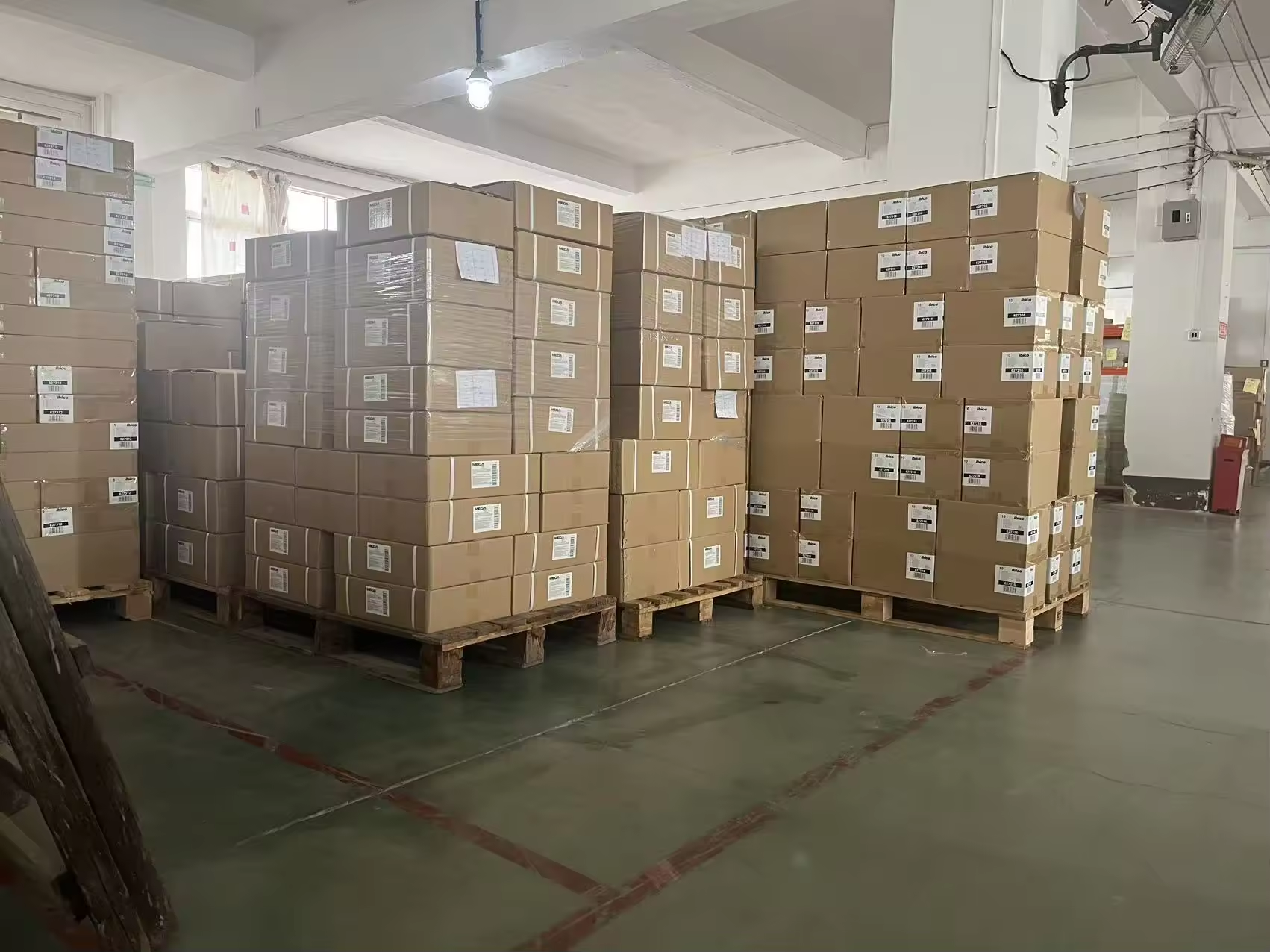
On the operational side, monthly production capacity is 150,000 packs of 100 pieces, with a typical production lead time of 20 to 30 days. For buyers planning a reorder rhythm, that combination sets the planning horizon: a format commitment should be sized against a monthly pack capacity and a lead time measured in weeks, not against spot availability.
Long-term supply relationships are the other half of the commitment. HADA reports project relationships sustained across more than ten years of continuous cooperation in EU, AU and US markets, which is the type of continuity that matters when a format decision locks a specification for years.
Frequently Asked Questions
What compliance and certification points should be checked when comparing pouch and roll formats?
Check the supplier's management system certifications and the trade classification of the material, then confirm both against your own market requirements. HADA holds ISO 9001:2015, BSCI, SMETA, RoHS and REACH. PET laminating film is classified under HS code 3920.62 in the US Harmonized Tariff Schedule, and laminated plastics packaging film and sheet manufacturing falls under NAICS 326112. A pouch and a roll are usually made from the same coated film stock, but their tariff treatment can differ by form, so classification should be confirmed with a customs broker rather than assumed.
Can a single supplier deliver both formats without splitting the quality system?
It can when both formats are produced at the same site. HADA manufactures laminating pouches and thermal laminating roll film from one production base in Baiyun District, Guangzhou, which allows one quality process and one batch traceability record to cover both. Buyers should still verify this through a factory audit and confirm that the certification scope actually lists both product types, because a supplier that trades one format and manufactures the other will not deliver the consolidation benefit.
Roll film looks cheaper per square metre, so why is it not always cheaper per job?
Because the per-square-metre figure excludes setup, trim and storage. Roll film wins on long continuous runs where setup cost is absorbed across a large output, and on wide or variable-width work where a pouch cannot physically be used. Pouches win on mixed small batches, where there is no width setup, no edge trim and no roll storage. The minimum order structure reflects this: standard film starts at 1,000 pieces, while custom sizes start at 2,000 pieces or 100 rolls.
How should a buyer validate a format before placing a production order?
Test on your own machine with your own substrate and operator, using the exact thickness and format under consideration. Check light transmittance against a reference, measure shrinkage after a full temperature cycle, test adhesion on the real substrate, and inspect for bubbles, wrinkles and edge curl. HADA reports 92% light transmittance, shrinkage below 0.5% at high temperature, strong adhesion and anti-yellowing behaviour as its shared performance basis for both formats. Those figures define what a sample should demonstrate, not what it automatically will. Requesting samples in both HD-A4-80MIC and HD-RL before committing is the fastest way to close the question.
What production capacity and lead time should be planned into a format commitment?
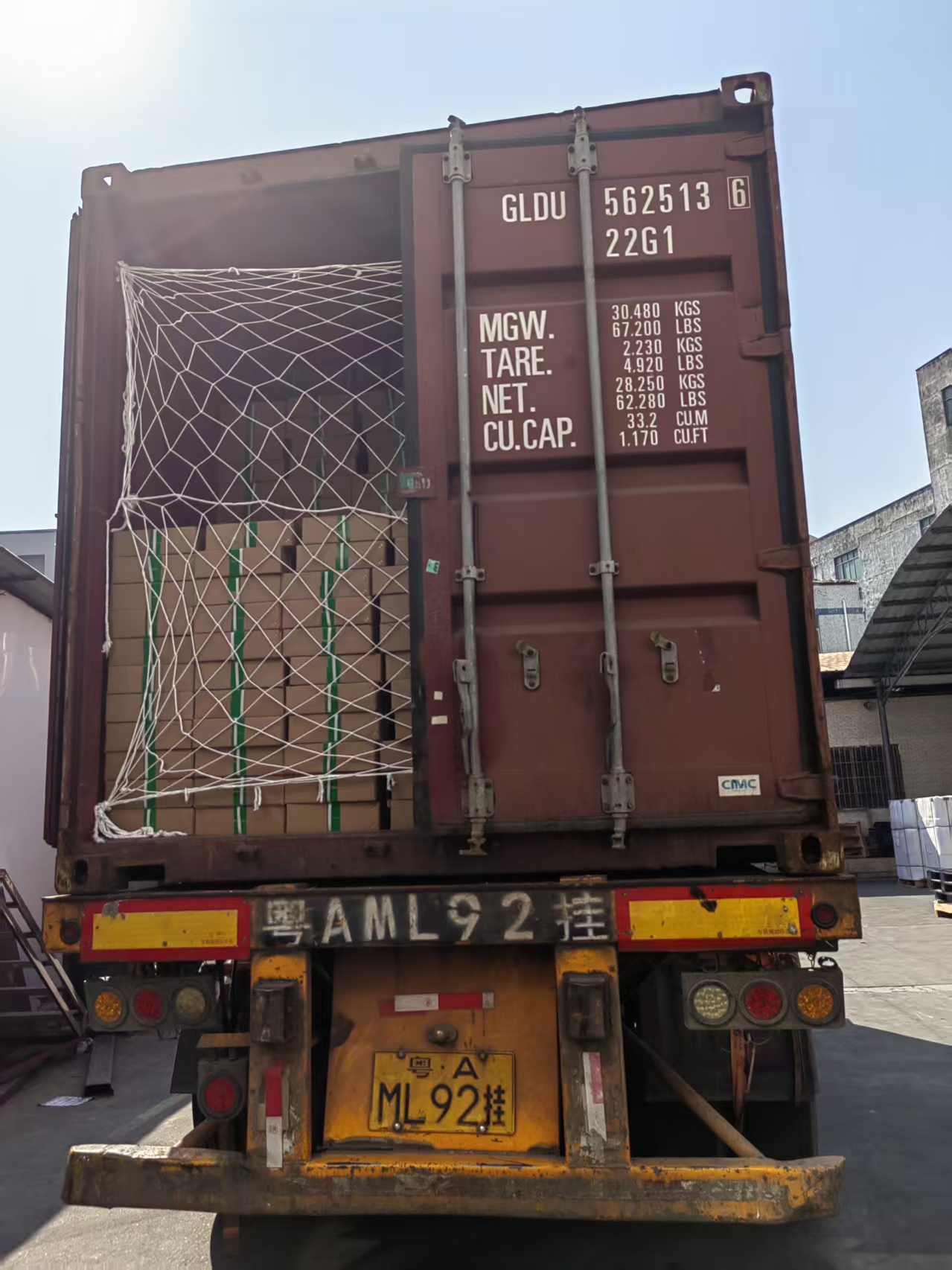
HADA's monthly production capacity is 150,000 packs of 100 pieces, with a typical production lead time of 20 to 30 days. Payment terms are T/T with a 30% deposit and 70% before shipment, L/C at sight, or OA 30 days after shipment. Delivery terms are FOB Guangzhou or Shenzhen, CIF destination port, or EXW Guangzhou. Pre-shipment inspection by SGS or Intertek, AQL sampling and customer on-site inspection are all available. Planning a reorder point against a 20 to 30 day lead time is more reliable than planning against stock availability, because the lead time applies to a confirmed specification.
Conclusion
The pouch versus roll question resolves quickly once it is framed as a workflow question. Fixed sizes in discrete batches with frequent job changes point to HD-A4-80MIC and the pouch range. Continuous output, variable widths or a downstream converting step point to HD-RL and roll film. The performance basis of 92% light transmittance, shrinkage below 0.5%, strong adhesion, no bubbles or wrinkles and anti-yellowing is shared across both, so the decision does not trade quality for fit.
What remains is verification. Map the job mix, confirm machine compatibility, quantify changeover and waste, run samples on your own equipment, and then lock commercial terms to the format you selected. A buyer who completes those five steps makes a format decision that holds for the length of the supply relationship, which is the point of getting it right at the evaluation stage rather than correcting it in production.
Next Step: Test Both Formats on Your Own Line
HADA manufactures thermal laminating pouches and roll film from one production base in Guangzhou, founded in 1992 and exporting to more than 50 countries and regions. Buyers can request samples of HD-A4-80MIC pouches and HD-RL roll film, together with specification sheets, certification copies and a quotation aligned to their format and thickness.
Website: www.huada168.com | Email: brian@huada168.com | Phone: 020-87451312 | WhatsApp: +8618929589411
Address: No.15, Shantangpai Road, Gaoweiqiang, Jinpen Village, Zhongluotan Town, Baiyun Dist., Guangzhou, Guangdong Prov. China.
Have Questions or Need More Details?
Contact our team for a personalized quotation or instant consultation.
Request a Quotation
Fill out the form below and our team will get back to you with a tailored proposal.
WhatsApp Direct Chat
Prefer to chat in real-time? Message us on WhatsApp for instant assistance & quick answers.
- Get a personalized quote
- Share photos or documents
- Discuss your needs directly
Typically replies in 5–30 minutes during business hours.