Laminating Rolls Export Compliance: A Region-by-Region Guide to Certifications and Standards
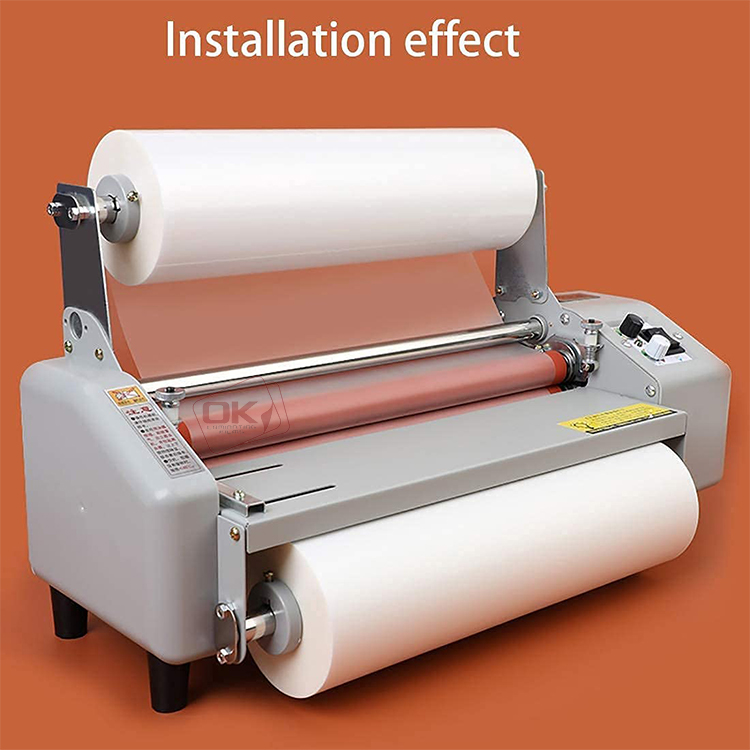
PET+EVA laminating roll film, model HD-RL, produced by Guangzhou Huada Laminating Film Co., Ltd. (HADA) for packaging and printing converters.
A laminating roll is usually approved on performance and rejected on paperwork. A converter in Ohio, a distributor in Hamburg, an importer in Melbourne and a packaging printer in Ho Chi Minh City can all test the same PET+EVA film, confirm adhesion, clarity and thickness, and still discover that the declarations, audit reports or test certificate numbers their own compliance schedule demands are missing from the file.
Export compliance for laminating rolls is therefore not one certificate. It is a mapping exercise between three variables: what the film physically is, what the destination market regulates, and what the buyer's purchase order says it will accept. This guide works through that mapping region by region, and shows how HADA's documentation set — ISO 9001, BSCI, SMETA, RoHS, REACH, CE, SVHC declarations and SGS certificate numbers such as No.CANEC25014307501, No.CANEC25014307503 and No.CANEC25014307505 — should be read before a supplier is approved.
The Problem: Why Laminating Roll Compliance Fails at the Document Stage
The phrase 'export compliance' is used loosely in the lamination trade, so it helps to separate it into three layers that a buyer can check independently. Product-level compliance covers the film itself: the polymer and adhesive system, the substances present, and whether the roll will contact food, skin or electrically sensitive components. A thermal laminating roll used for document protection and a food-safe laminating roll used on primary packaging sit in different regulatory conversations even when they are produced on the same line.
Supplier-level compliance covers the organisation: a quality management system audited to ISO 9001, and social or ethical audits such as BSCI and SMETA that retail-driven supply chains increasingly request. These documents say nothing about the chemistry of a specific roll; they describe how the supplier manages process control, traceability and labour practice.
Document-level compliance is what actually travels with a shipment: certificate numbers, declarations, test reports, validity dates and the scope statement that defines which product, plant and period a certificate covers. A certificate is only useful if its scope matches the product you bought. ISO 9001 issued to a trading office does not cover a production plant, and a restricted-substances statement written for an electrical component does not automatically describe a laminating roll. This scope mismatch is the single most common gap found during supplier document review — and it is why the certificate number matters as much as the certificate logo.
Industry Background: Why Documents Moved Up the Buying Agenda
Lamination film is a mature, high-volume category, and the compliance conversation has scaled with it. The global lamination films market reached US$6.84 billion in 2024, with food and beverage as the primary end-user segment, according to DataM Intelligence. Within the category, BOPP thermal lamination films were valued at US$3.5 billion in 2024 and are projected to grow at a 5.2% CAGR through 2033, while PET (BOPET) lamination films for packaging were valued at US$10.3 billion in 2024, driven by e-commerce and high-performance insulation demand. Asia Pacific held a 36.87% revenue share of the lamination films market in 2024, making it the dominant producing and consuming region.
Global suppliers active in this space include Cosmo Films, Jindal Poly Films, Taghleef Industries (Derprosa) and GBC (ACCO Brands). For a buyer comparing Chinese, Indian and European supply, film specifications are frequently comparable. The differentiator increasingly sits in documentation readiness — whether the supplier can produce a REACH statement, an SVHC declaration, a food-contact position and a verifiable third-party test certificate inside the buyer's approval cycle.

Industrial-grade laminating roll film is qualified on specification first, then cleared on documentation.
The Solution: Reading HADA's Certification Stack Correctly
Guangzhou Huada Laminating Film Co., Ltd. is a Guangzhou-based manufacturer established in 1992 with more than 33 years in functional laminating films. The company operates a 40,000 m² facility with approximately 200 employees, three automated production lines and annual capacity exceeding 10,000 tons, exporting to more than 50 countries and regions. Its portfolio covers PET and BOPP laminating roll film, thermal laminating rolls, glossy and matte finishes, cold lamination film and laminating pouches, supported by a 5-engineer R&D team and 22 national patents.
The certifications most often requested during supplier qualification are ISO 9001, BSCI, SMETA, RoHS and REACH. Each answers a different question, and none of them replaces the others.
| Document | What it addresses | What it does not replace |
|---|---|---|
| ISO 9001 | Quality management system covering process control, traceability and corrective action at the manufacturing site | Product-specific chemical testing or food-contact approval |
| BSCI | Social compliance audit framework used by European and North American retail supply chains | Product quality or substance compliance |
| SMETA | Ethical trade audit report covering labour, health and safety, environment and business ethics | Product specification or regulatory listing |
| RoHS | Restricted-substances statement, typically requested where a buyer or end customer applies RoHS as a purchasing policy | Full chemical screening of every substance in the film |
| REACH | Compliance with the EU chemicals regulation and the basis for SVHC communication | Market approval for a specific end use such as food contact |
| SVHC declaration | Statement covering substances on the REACH candidate list, with communication duties above the applicable threshold | Migration or extraction testing |
| CE | EU marking for products covered by specific directives; applicability must be confirmed against the product and end use | Automatic EU market access for every film product |
| SGS certificate numbers No.CANEC25014307501, No.CANEC25014307503, No.CANEC25014307505 | Third-party testing or inspection references that a buyer can verify independently | A blanket approval — each number maps to a defined scope and period |
| High-Tech Enterprise | China national recognition based on R&D capability and intellectual property | Product safety certification |
The role of SGS certificate numbers and High-Tech Enterprise status
Three SGS certificate numbers appear most often in HADA's export documentation: No.CANEC25014307501, No.CANEC25014307503 and No.CANEC25014307505. SGS is a third-party inspection, testing and certification organisation, and its certificate numbers are designed to be checked with the issuing body rather than accepted as a scanned image. The practical value of a numbered certificate is that it converts a supplier claim into something verifiable; it is a verification tool, not a substitute for the buyer's own acceptance criteria.
High-Tech Enterprise recognition operates at a different level again. It is granted under a Chinese national programme that reviews R&D capability and intellectual property, and it signals process and development maturity rather than product safety. For a buyer, it is supporting evidence about how the supplier's engineering function is organised — useful context when a project requires custom-width laminating rolls or a modified adhesive system, but not a document that clears a shipment.
How to verify an SGS certificate number in four checks
- Scope: confirm which product, model and test standard each number refers to.
- Entity: confirm the certificate holder is the manufacturing entity, not an intermediary.
- Validity: confirm issue and expiry dates are current at the time of shipment.
- Traceability: confirm the number can be matched to a production batch or shipment where the end use is regulated.
Step-by-Step Breakdown: Building a Region-Specific Document Pack
The following sequence works for any destination market because it separates what is mandatory from what is requested by policy.
- Classify the contact scenario. Decide whether the laminated product touches food directly, touches food indirectly, or has no food contact at all. This single decision changes the document list more than the destination country does.
- Identify the market's mandatory layer. For the EU, that means Commission Regulation (EU) No 10/2011 for food contact and REACH for chemicals. For other markets, the mandatory layer is often set by the importer's own specification.
- Collect supplier-level documents early. Request ISO 9001, BSCI and SMETA at the quotation stage, not after production, because audit reports have expiry cycles.
- Match test reports to your specification. If your line requires defined tensile behaviour, reference a recognised method such as ASTM D882, the standard test method for tensile properties of thin plastic films under 1.0 mm thick. If the application requires anti-static behaviour, UV resistance or high-clarity performance, state it in the specification so the report addresses it.
- Verify every certificate number independently. Check SGS numbers with the issuing body and confirm the certificate scope names the producing plant.
- Write the document list into the purchase order. A document that is not named in the contract is not an obligation.
Region-by-Region Requirements
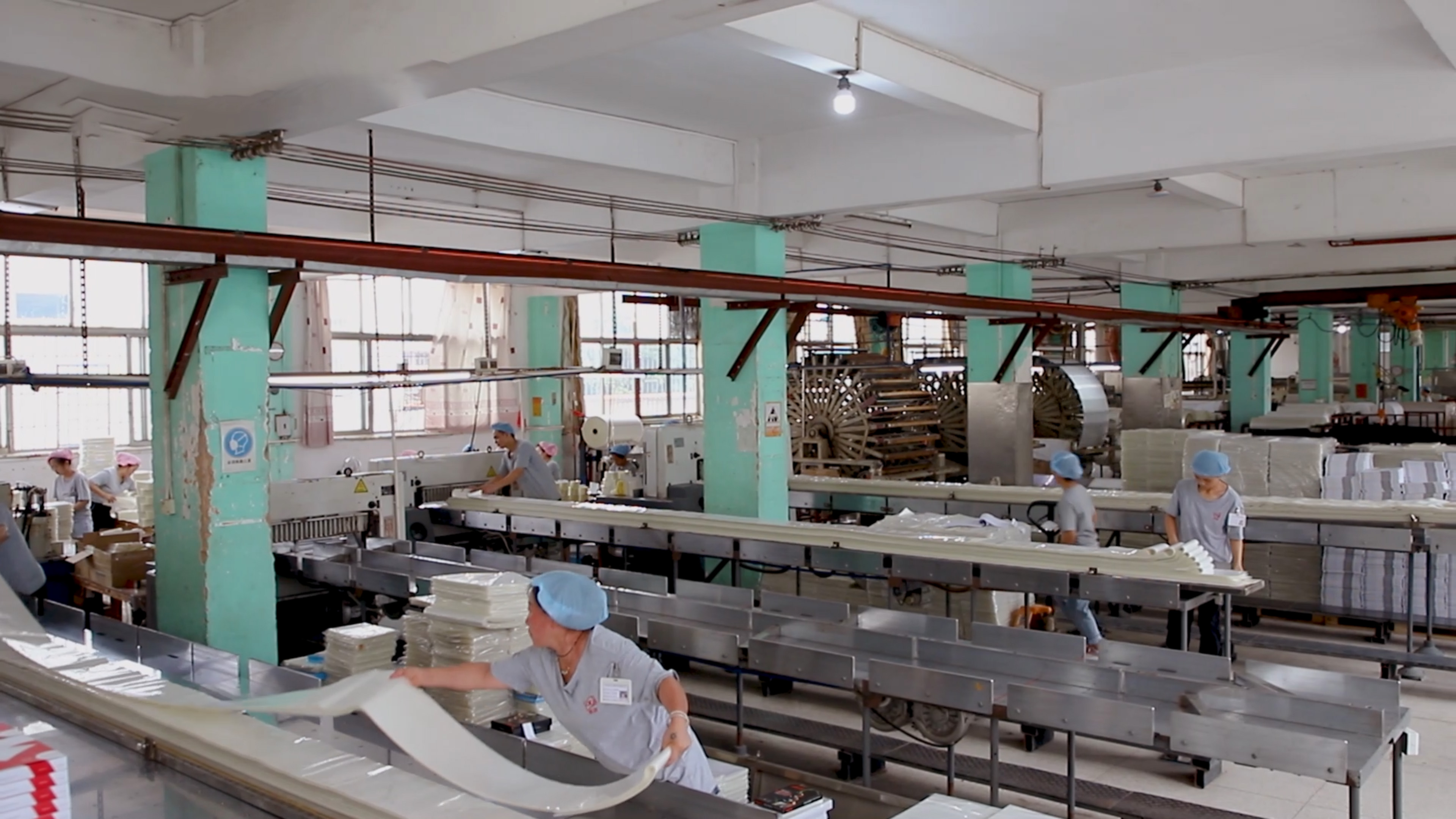
Custom-width laminating roll film is slit to order; the specification should name width, thickness and finish so test documentation can be matched precisely.
North America
In the United States and Canada, no single national certificate clears a laminating roll. Requirements are assembled from three sources: the importer's product specification, the end use, and the policies of the buyer's own customer. Where laminating rolls are used on food packaging or food-service print, buyers typically require a food-contact statement, and HADA's application data lists FDA food contact compliance as a special requirement for food-related lamination scenarios. Where film mechanical properties are specified, references to ASTM D882 test reports are common. Alongside these, importers usually request ISO 9001 and a RoHS or restricted-substances declaration as part of supplier qualification, and some retail programmes add social audits such as BSCI or SMETA. State-level chemical disclosure rules may apply to specific end products, but those are defined by the buyer, not by the film supplier.
Europe
The European Union is the most document-intensive market for laminating roll film because two regulatory tracks apply at once. The first is food contact: plastic materials and articles intended for food contact in the EU must comply with Commission Regulation (EU) No 10/2011, which sets migration limits and a positive list of authorised substances. A food-safe laminating roll supplied for direct or indirect food packaging therefore needs a position built on that regulation, not a generic food-grade claim. The second track is chemicals: REACH compliance and an SVHC declaration covering substances on the candidate list, with communication duties triggered above the applicable concentration threshold. Where RoHS is applied as a purchasing policy, a RoHS statement is normally added even though a laminating roll is not electrical equipment. European retail-driven supply chains frequently require BSCI or SMETA audit reports as well.
CE marking deserves separate treatment. CE applies to products falling under specific EU directives, and a plain laminating roll is not automatically in scope. Buyers who see a CE reference in a supplier document should ask which directive it is tied to and for which product configuration, rather than treating it as blanket EU approval. UK importers generally request the same substance-level documentation, with any additional national requirement defined in the buyer's own compliance schedule.
Australia
Australia does not operate an EU-style harmonised regime for plastic film, so documentation requirements are normally set at the purchase-order and importer level. In practice, Australian distributors and converters assembling a compliance file for laminating rolls ask for ISO 9001, third-party test reports from a recognised laboratory such as SGS, a restricted-substances or SVHC-style statement, and a food-contact statement where the laminated product touches food. Because the requirement is contract-driven, the decisive step is to ask the importer which documents appear on their compliance schedule before the order is placed. Documents that reference EU regulation are often accepted as evidence of substance control, but they should be presented as supporting evidence rather than as an Australian approval.
Southeast Asia
Southeast Asian markets are the least uniform and the most relationship-driven. Requirements differ by country, by importer, and by whether the film is used for consumer packaging, office supplies or industrial lamination. Buyers in the region most often request ISO 9001, a RoHS statement, REACH or SVHC declarations where goods are re-exported or specified by an overseas brand owner, and food-contact documentation for packaging applications. Certificate verification matters more here than document volume, because a verified SGS number carries more weight than a folder of unverifiable scans. Where translation or legalisation is required, that requirement is set by the importer and should be confirmed in writing before production begins.
Comparison Table: Region Document Matrix
| Region | Documents typically required | HADA document that answers it | Question to ask before approval |
|---|---|---|---|
| North America | ISO 9001; food-contact statement for food applications; tensile test reports where film properties are specified; restricted-substances declaration | ISO 9001, RoHS, REACH, verifiable SGS certificate numbers, application data listing FDA food contact compliance | Does the laminated product contact food directly or indirectly? |
| Europe | EU 10/2011 food-contact position; REACH and SVHC declaration; RoHS statement where applied as policy; BSCI or SMETA for retail supply chains; CE reference confirmed against an applicable directive | REACH, RoHS, BSCI, SMETA, ISO 9001, SGS certificate numbers | Which directive is the CE reference tied to, and which candidate-list version does the SVHC declaration follow? |
| Australia | ISO 9001; third-party test reports; restricted-substances statement; food-contact statement where applicable | ISO 9001, REACH, SGS certificate numbers, food-contact documentation | What exactly is listed on your importer compliance schedule? |
| Southeast Asia | ISO 9001; RoHS; REACH or SVHC where specified by a brand owner; food-contact documentation for packaging | ISO 9001, RoHS, REACH, SGS certificate numbers | Which documents must be translated or legalised, and by what date? |
Aligning Compliance Documents With Acceptance Inspection and Purchase Terms
Compliance documents only create value when they are written into the commercial documents. Four clauses are worth adding to a laminating roll purchase order.
- Document list clause: name each required document, its issuing body where relevant, and the validity requirement at shipment date.
- Scope clause: require certificates to name the producing plant and the product family, and confirm that the ISO 9001 scope covers manufacturing rather than trading.
- Change notification clause: require written notice before any formulation, adhesive system, supplier or production site change, since each can invalidate a declaration.
- Verification clause: preserve the right to verify certificate numbers with the issuing body and to reject a shipment whose documents cannot be verified.
At acceptance inspection, compare the shipment against the file rather than against the invoice. Check roll width, thickness and finish against the agreed specification; confirm certificate numbers and validity dates; retain a sample from each batch where the end use is regulated; and record the batch reference so that a later claim can be traced to a specific production run. For custom-width laminating rolls and jumbo-format rolls, the specification should also state core size and roll diameter, because a document that describes a different configuration cannot clear the delivery.
Use Cases: How the Region Checklist Changes the Decision
Four typical buyer profiles show where compliance documentation, not film performance, becomes the deciding factor.
1. US converter supplying food packaging
The film requirement is a food-safe laminating roll. The binding documents are the food-contact position, ISO 9001 and a restricted-substances statement. The decision turns on whether the supplier can present a food-contact position that matches the actual end use, plus tensile reports if the converter's line specification calls for them.
2. European distributor selling into a retail chain
Here REACH, an SVHC declaration and a BSCI or SMETA audit report carry as much weight as the film itself, because the retail chain's own supplier policy drives the requirement. A CE reference is often requested by the buyer's forms; the useful step is to identify which directive it relates to rather than to accept the marking at face value.
3. Australian office-supply wholesaler
Requirements are contract-driven. The wholesaler's own compliance schedule defines the document list, and verifiable third-party test reports from an organisation such as SGS are the strongest supporting evidence for wholesale laminating rolls. Food contact is usually irrelevant in this channel, while consistent gloss or matte finish and anti-scratch behaviour matter more.
4. Southeast Asian converter re-exporting printed packaging
The overseas brand owner sets the specification, which frequently imports EU-style requirements into a non-EU market: REACH and SVHC declarations, RoHS, and food-contact documentation for food-safe laminating rolls. Anti-static or UV-protective performance may also be specified where the laminated print is used near electronics or outdoors.
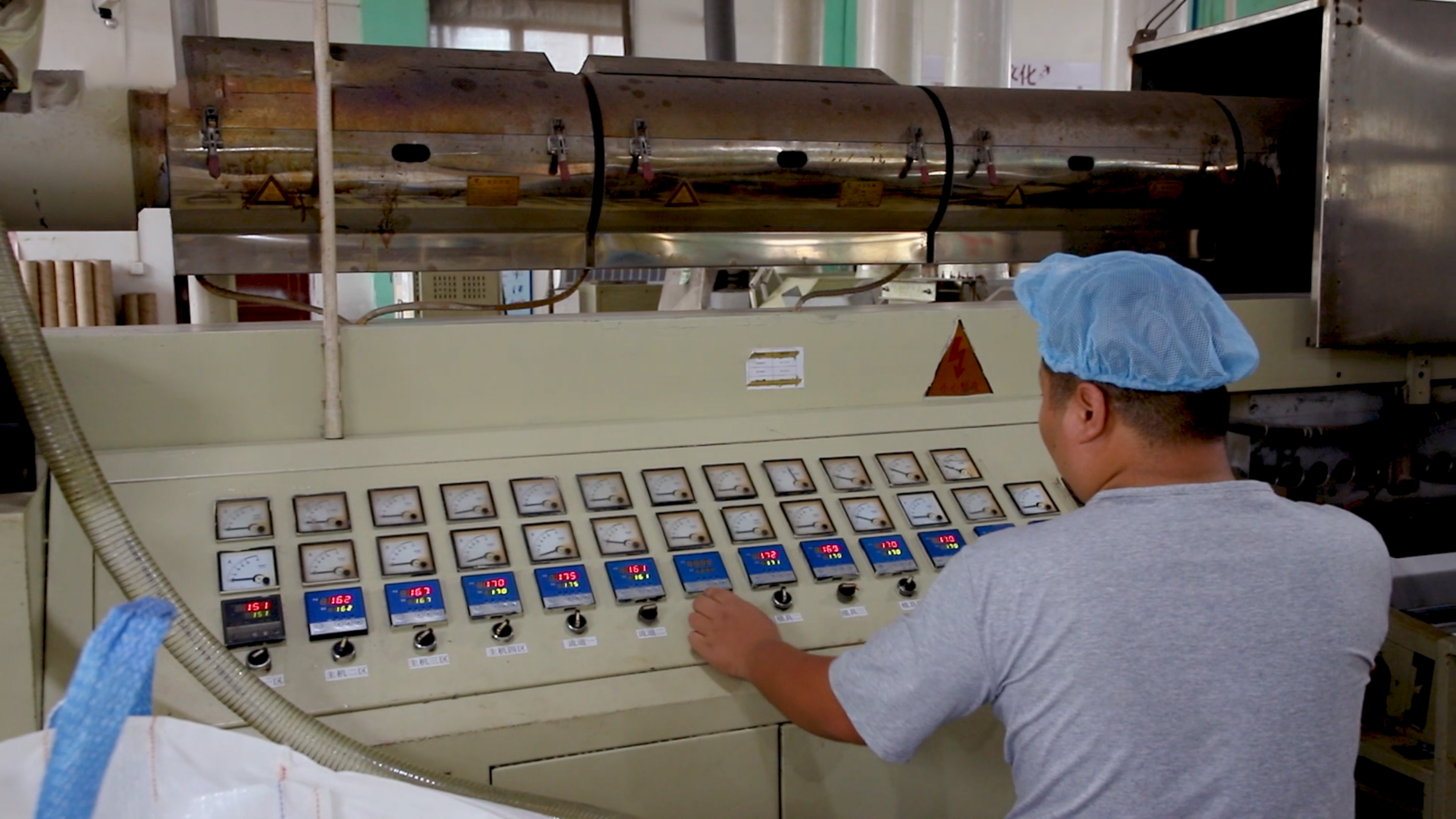
Production and documentation control run together: batch records are what allow a certificate to be traced to a shipment.
FAQ
Which certifications should an importer verify first when evaluating HADA laminating rolls for the EU market?
Start with the two tracks that EU regulation actually enforces: a food-contact position built on Commission Regulation (EU) No 10/2011 where the laminated product contacts food, and REACH compliance supported by an SVHC declaration. Add a RoHS statement where your purchasing policy requires it, and BSCI or SMETA audit reports where a retail chain drives the requirement. HADA holds ISO 9001, BSCI, SMETA, RoHS and REACH, and provides SGS certificate numbers such as No.CANEC25014307501, No.CANEC25014307503 and No.CANEC25014307505, each of which should be verified for scope, issuing entity and validity before approval.
Can HADA produce laminating roll film in the thickness and width my line requires, and does that affect compliance documents?
Model HD-RL is a PET+EVA laminating roll film with a thickness range of 35mic to 250mic and a width range of 100mm to 1300mm, with length and packaging customizable to order, in glossy or matte finish. Because specification and documentation are linked, the roll width, thickness and finish you approve should be the same configuration named in the test report or certificate; a document that describes a different configuration cannot support acceptance inspection. HADA's portfolio also covers BOPP laminating roll film and cold lamination film, and the company has three automated production lines with annual capacity exceeding 10,000 tons.
Does certification documentation add cost to a laminating roll order?
Certification documents such as ISO 9001, BSCI, SMETA, RoHS and REACH are part of HADA's existing supplier documentation, while commercial terms for the rolls themselves are quoted per specification — thickness, width, length, finish and packaging all affect the quotation. Buyers should therefore confirm in writing which documents are supplied with the order and which additional tests, translations or legalisations, if any, must be commissioned separately and at whose cost.
Can I request a sample roll before approving a laminating roll supplier, and what documentation comes with it?
Samples can be requested as part of supplier evaluation. The more useful step is to request the sample and the document pack together, so that the film you test and the certificates you review describe the same product. Ask for the specification sheet, the relevant food-contact or substance statements, and the SGS certificate numbers that apply to the grade being sampled, then verify those numbers independently before the sample is approved.
How long does export documentation and shipment preparation take?
Lead time for laminating roll orders is driven by production scheduling and specification confirmation rather than by the certificates themselves, and it varies with thickness, width, finish and customisation. The schedule risk that buyers most often underestimate is documentation review: requesting ISO 9001, BSCI, SMETA, RoHS and REACH records only after production begins can add delay at the approval stage. Sending your region document checklist with the enquiry allows the file to be prepared in parallel with production. For a document pack, sample request or quotation on laminating roll film, contact HADA at brian@huada168.com or via WhatsApp on +8618929589411.
Conclusion
Export compliance for laminating rolls is a matching exercise, not a certificate count. ISO 9001, BSCI, SMETA, RoHS, REACH, SVHC declarations, CE references and SGS certificate numbers each answer a different question, and the buyer's task is to confirm that every document in the file covers the product, the plant and the market in question. Region by region, the pattern is consistent: North America is driven by importer specification and end use, Europe by Commission Regulation (EU) No 10/2011 and REACH, Australia by contract, and Southeast Asia by the importer and the overseas brand owner behind it.
Written into acceptance inspection and purchase terms, that document set stops being paperwork and becomes a risk control: it defines what will be delivered, how it will be verified, and what happens if a formulation or production site changes. Build the checklist before the enquiry, verify every number before approval, and put the list in the purchase order before production.
Request the document pack with your sample
HADA supplies PET and BOPP laminating roll film to converters, distributors and brand owners in more than 50 countries and regions. Send your region and end-use details, and the relevant specification sheet, food-contact or substance statements and SGS certificate numbers can be assembled alongside your sample or quotation.
Website: www.huada168.com · Email: brian@huada168.com · WhatsApp: +86 189 2958 9411 · Phone: 020-87451312
Factory: No.15, Shantangpai Road, Gaoweiqiang, Jinpen Village, Zhongluotan Town, Baiyun Dist., Guangzhou, Guangdong Prov. China.
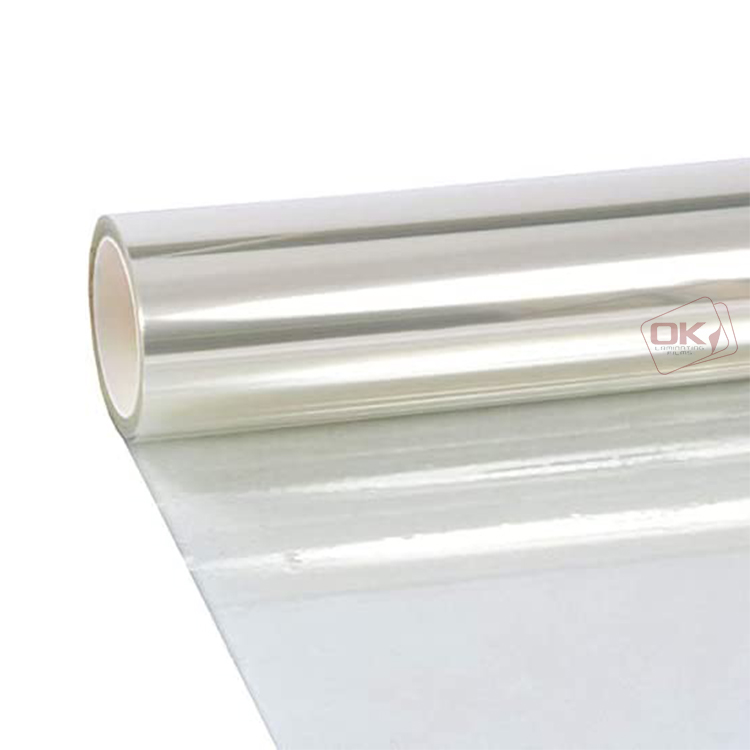
Ready-to-ship laminating roll film: a clean document pack travels with the order, not after it.
Have Questions or Need More Details?
Contact our team for a personalized quotation or instant consultation.
Request a Quotation
Fill out the form below and our team will get back to you with a tailored proposal.
WhatsApp Direct Chat
Prefer to chat in real-time? Message us on WhatsApp for instant assistance & quick answers.
- Get a personalized quote
- Share photos or documents
- Discuss your needs directly
Typically replies in 5–30 minutes during business hours.