Laminating Film Supplier Evaluation FAQ: Verifying Capability and Delivery Assurance
Direct answer: a laminating film supplier is verified — not merely shortlisted — when factory scale, certifications, patents, production capacity, quality-control process, inspection options, lead time, MOQ, payment terms and after-sales commitments can each be evidenced with a document, a number, a named third party, or a contractual clause. This FAQ answers the questions packaging and printing buyers ask most often between decision and execution, and it uses Guangzhou Huada Laminating Film Co., Ltd. (HADA) as a worked example so that every answer can be checked against a live supplier file rather than a general principle.
Problem Definition: The Verification Gap Between Shortlisting and Ordering
Supplier evaluation rarely fails at the research stage. It fails between decision and execution — at the point where a comparison spreadsheet has to become a purchase order. Three gaps account for most of the loss:
- Capability gap. A supplier can produce a convincing sample of glossy A4 laminating pouches but cannot repeat that quality across a 150,000-pack month, or cannot hold a customized thickness and surface finish stable from batch to batch.
- Compliance gap. Certificates shown during the sales conversation may cover a different material, a different production site, or a scope that has quietly expired. For an importer, the risk sits with the goods, not with the supplier's presentation.
- Delivery gap. Lead times, inspection rights, packaging reinforcement and after-sales terms are agreed verbally, then reinterpreted at the loading dock. A 20–30 day lead time is only a planning input if it is written down and tied to a specification approval date.
The practical correction is to convert every claim into one of four verifiable objects: a document, a number, a named third party, or a contract clause. The sections below take each of those in turn.
Industry Background: What Buyers Are Working With
The global lamination films market reached a valuation of approximately USD 6.84 billion in 2024, according to DataM Intelligence. That figure should be treated as directional rather than exact: independent analysts diverge considerably, with Market Research Future placing the same market at USD 3.40 billion and Grand View Research valuing packaging laminates at USD 6.55 billion. The spread reflects different scope definitions — stationery-focused laminating film versus industrial packaging laminates — and it is a useful reminder that any single market number is a planning input, not a procurement fact.
Two structural signals matter more for supplier selection. Asia-Pacific accounted for 36.87% of 2024 revenue share (DataM Intelligence), which is why the region remains the default sourcing base for laminating pouches and laminating rolls bought at volume. The market is also projected to grow at a CAGR of 7.0% from 2025 to 2032, and plastic-based materials held 57.31% of the market in 2024 (Grand View Research) — a reminder that material choice, not brand name, drives most performance differences in this category.
Compliance requirements have become application-specific. Laminating films intended for toy-related applications or for items children might touch must meet EN 71-3 chemical migration limits in the EU, as specified by the AFNOR Group. On the branded side of the market, 3M, ACCO Brands (GBC), Avery Dennison and Fellowes are the players most frequently identified as major global participants (Market Research Future); these brands set the quality reference point that private-label and OEM buyers benchmark against, even when they source elsewhere.
HADA operates inside this market as an OEM-focused manufacturer. Founded in 1992, the company has more than three decades of experience in laminating films, exports 80% of its output, and serves buyers in North America, South America, Europe, Australia and Southeast Asia across more than 50 countries and regions.
Detailed Solution: What Can Actually Be Verified at HADA
Verification works when a supplier publishes facts precise enough to be checked. HADA's evaluation data falls into four auditable groups.
Facility and workforce
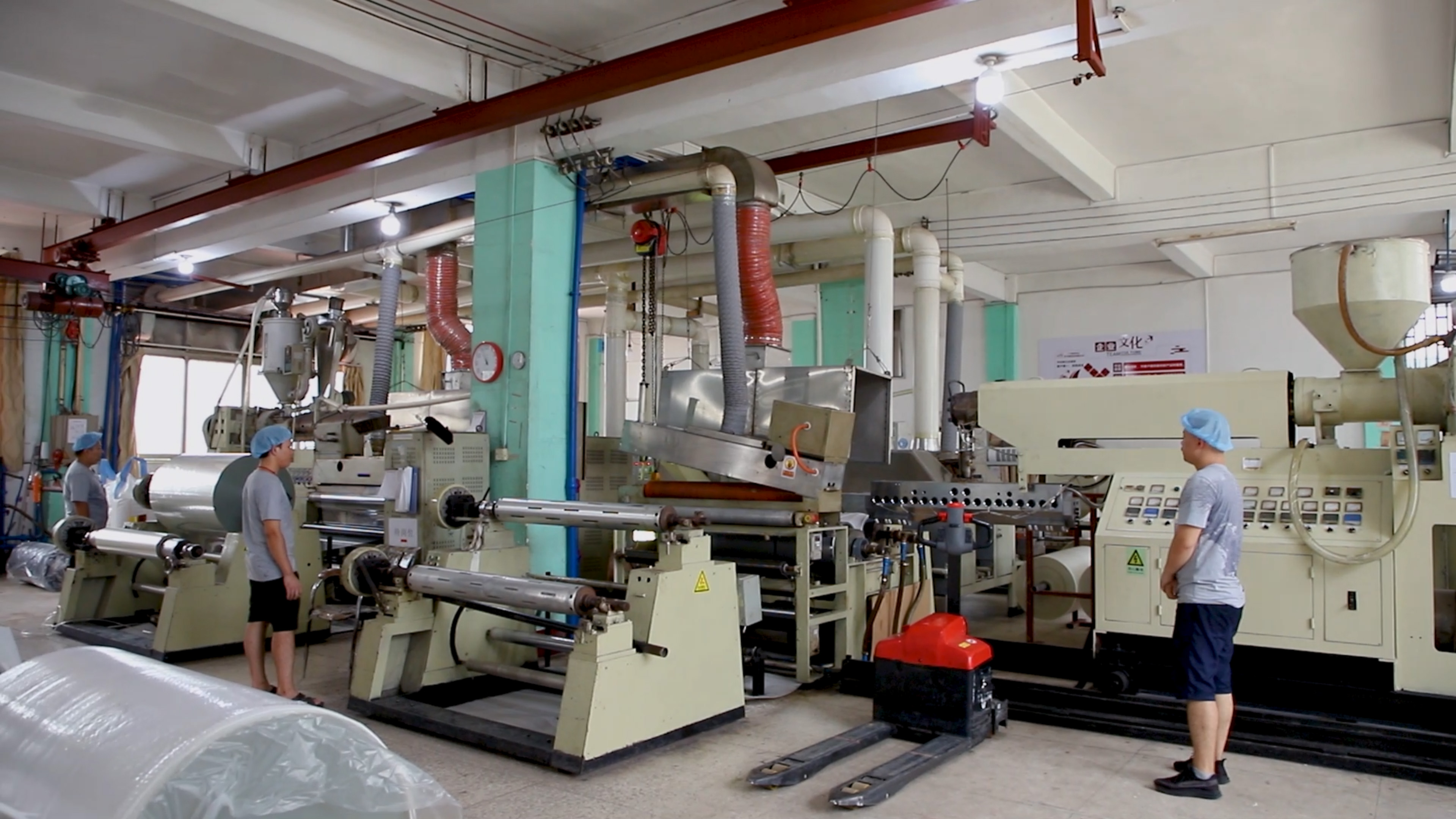
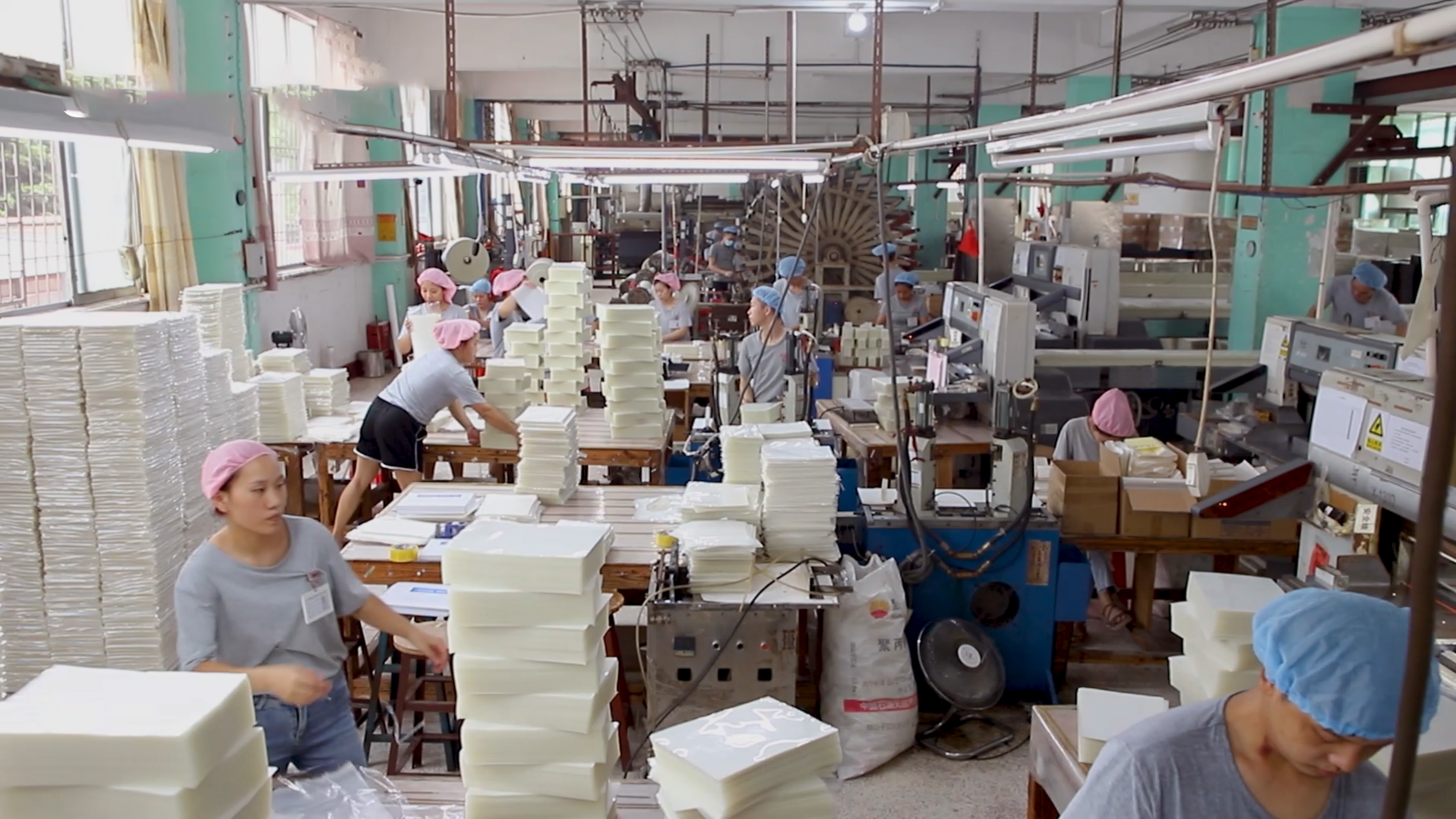
The production site is a 40,000 sqm facility in Baiyun District, Guangzhou, staffed by approximately 200 employees and supported by 5 R&D engineers. The company holds 22 national patents and multiple certifications including ISO 9001, BSCI, SMETA, ROHS and REACH. Location is a logistics fact rather than a marketing point: the site is a 30-minute drive from Baiyun International Airport with access to the major ports of Guangzhou and Shenzhen, which directly affects freight planning for FOB and CIF shipments.
Capacity and equipment
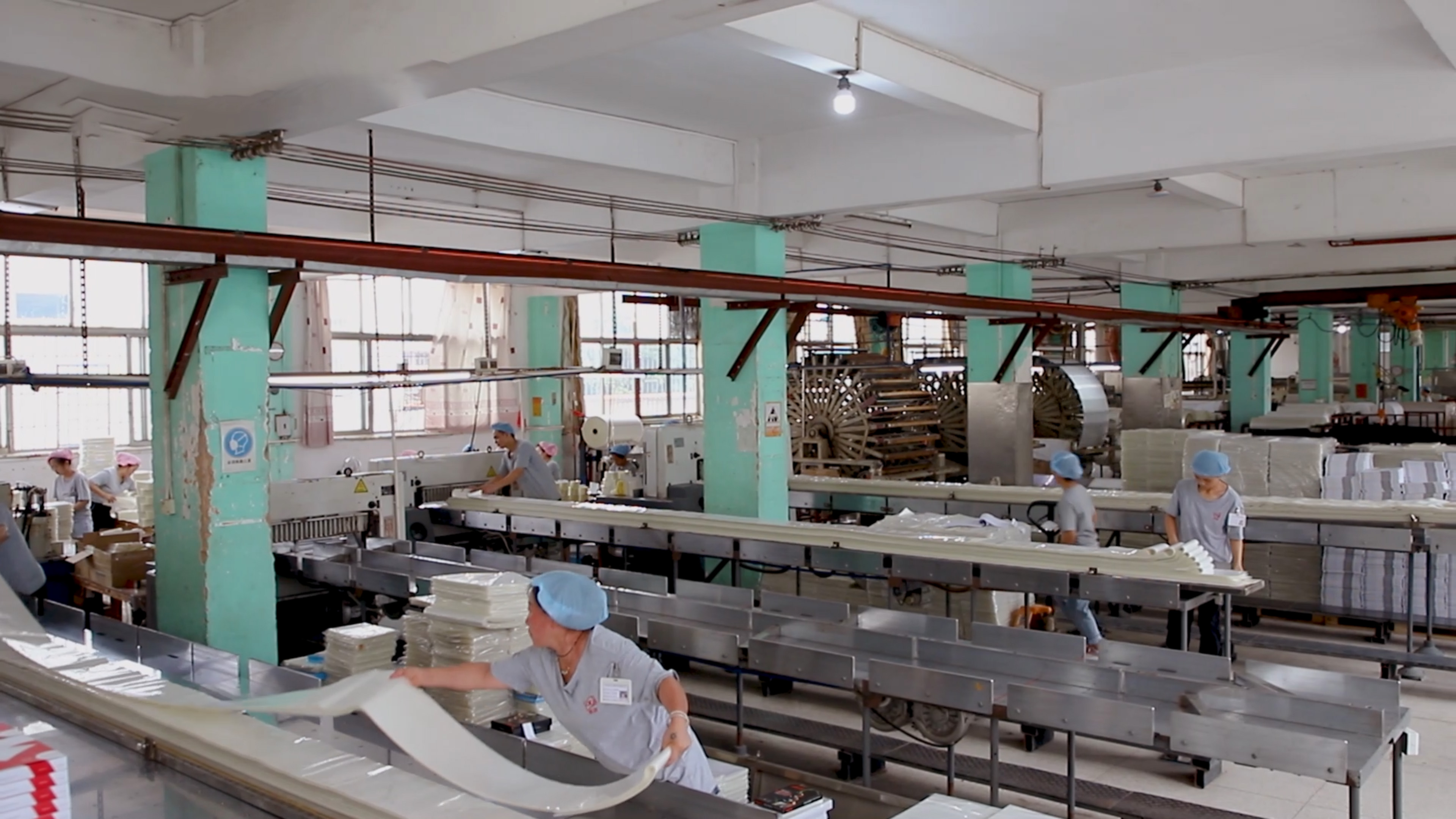
Three automated production lines support an annual capacity exceeding 10,000 tons. Monthly production capacity is 150,000 packs of 100 pieces each, and typical production lead time is 20–30 days. For a buyer planning a quarterly program, those two figures — monthly output and lead time — are the ones that determine whether a supplier can absorb a repeat order without pushing delivery dates.
Product portfolio
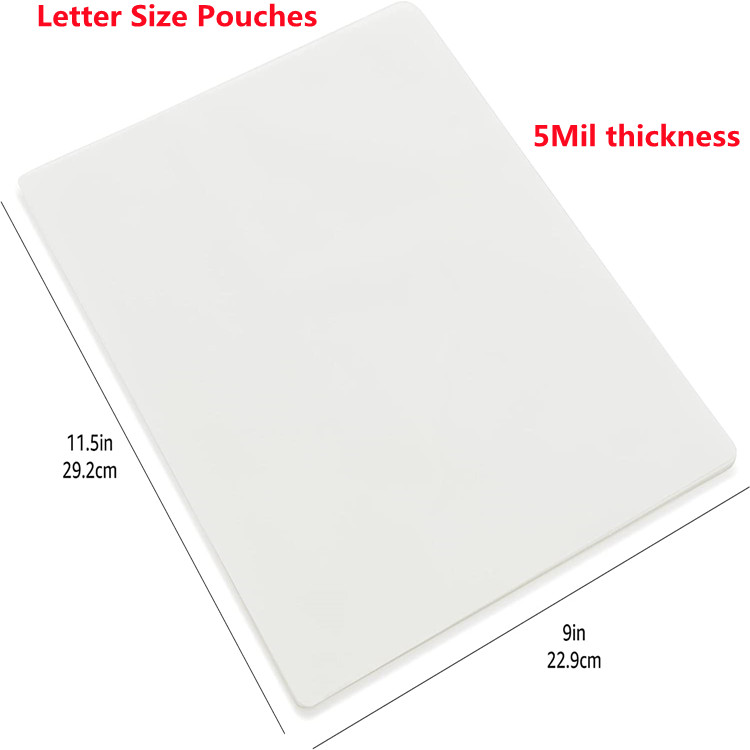
HADA's core products are laminating pouches and laminating rolls. The wider portfolio includes Glossy Laminating Film, Matte Laminating Film, Laminating Roll Film, BOPP Film, OHP Film, PVC & PP Binding Covers, PET Crystal Film, PET Tempered Film and Cold Lamination Film. Customizable thickness runs from 25 to 250 microns, which is the range that covers the most frequently traded formats — for example the 80-micron and 125-micron thermal laminating pouches and A4 150-micron sheets that Accio Work identifies as among the top-selling document-protection segments. Buyers sourcing Letter size, A3, A4, ID card, certificate, photo, menu, waterproof, UV-resistant, anti-static or self-adhesive laminating film variants should confirm that the requested format falls inside the supplier's stated customization range before negotiating price.
Quality control and material performance
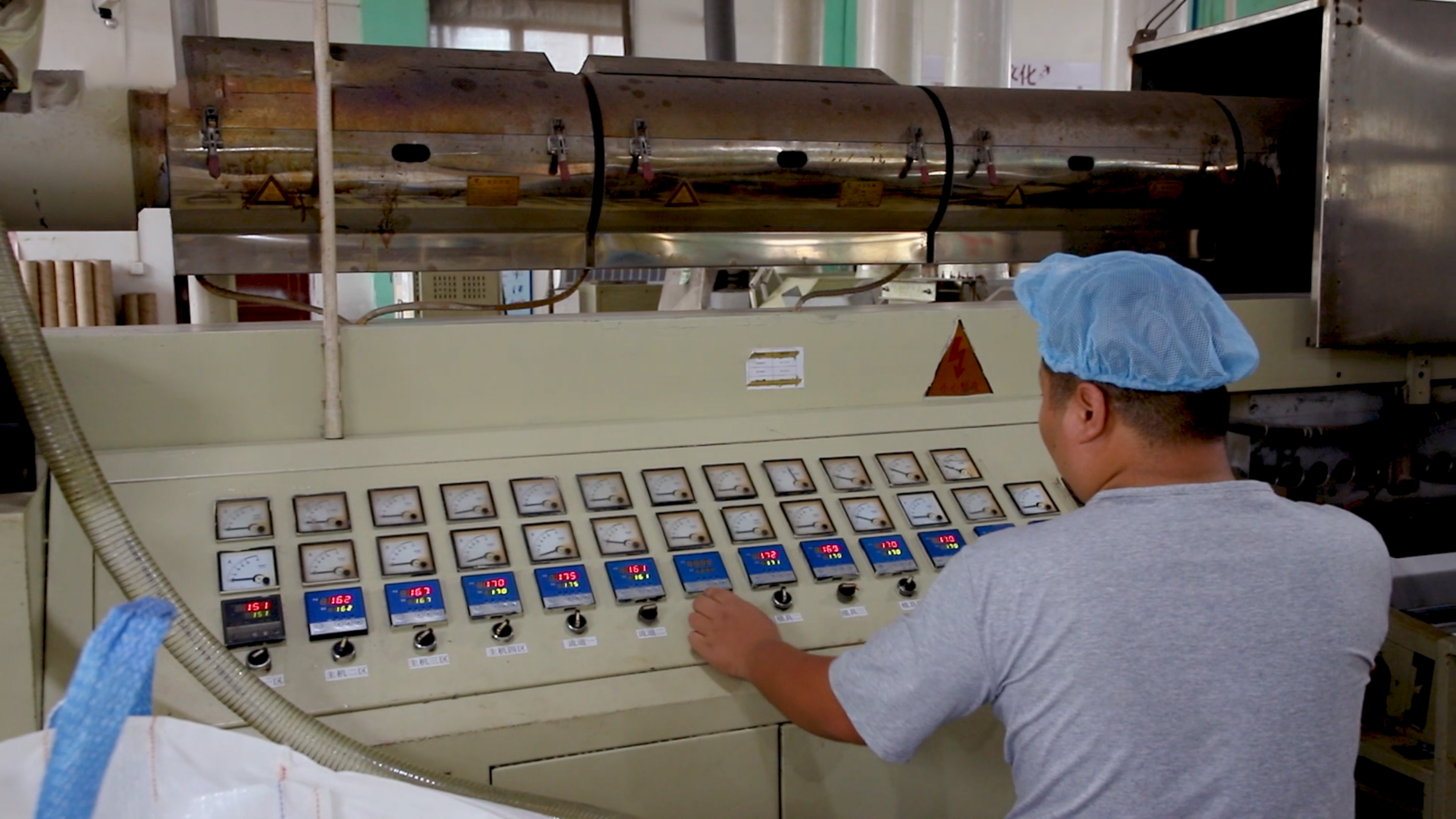
Production runs under online monitoring with a 3-stage QC process and a batch traceability system, so a defect can be traced back to a specific batch and production window. On the material side, HADA's PET lamination film uses premium-grade raw materials imported from South Korea with a proprietary anti-static and anti-yellowing coating technology, producing up to 92% light transmittance, a shrinkage rate below 0.5% at high temperatures, and a reported defect rate below 0.1%. High-clarity output of that kind matters for ID card, photo and archival applications, where yellowing or warping is not a cosmetic issue but a rejection criterion.
Step-by-Step Breakdown: An Eight-Step Verification Workflow
The following sequence is designed for buyers who have already shortlisted suppliers and need to close out a decision. Each step produces a written artefact you can attach to the purchase order.
- Confirm the legal entity and factory location. Match the contracting company name, bank account name and factory address. A trading intermediary may legitimately sit between you and the plant, but the arrangement should be disclosed before pricing is negotiated. HADA's registered operation is Guangzhou Huada Laminating Film Co., Ltd. at No.15, Shantangpai Road, Gaoweiqiang, Jinpen Village, Zhongluotan Town, Baiyun District, Guangzhou.
- Validate certifications and patents. Request ISO 9001, BSCI, SMETA, ROHS and REACH documentation with scope and validity dates, and ask which certificate applies to the exact material you are buying. Confirm patent claims only where they relate to a feature you are paying for.
- Test capacity against your volume. Compare your monthly requirement with the supplier's stated monthly output — 150,000 packs of 100 pieces at HADA — and with annual capacity exceeding 10,000 tons across 3 automated production lines. Ask for a capacity allocation statement covering your order window.
- Audit the QC process and traceability. Confirm the stages of inspection, whether monitoring is inline or offline, and whether batch records are retained and retrievable. HADA runs online monitoring with a 3-stage QC process and a batch traceability system.
- Agree inspection and acceptance criteria. Pre-shipment inspection is applied at 100%, with third-party inspection by SGS or Intertek available, AQL sampling accepted, and customer on-site inspection permitted. Write the chosen method into the order.
- Lock commercial terms. Confirm MOQ, Incoterm, port, currency, payment schedule and validity period in one document so quotations remain comparable across suppliers.
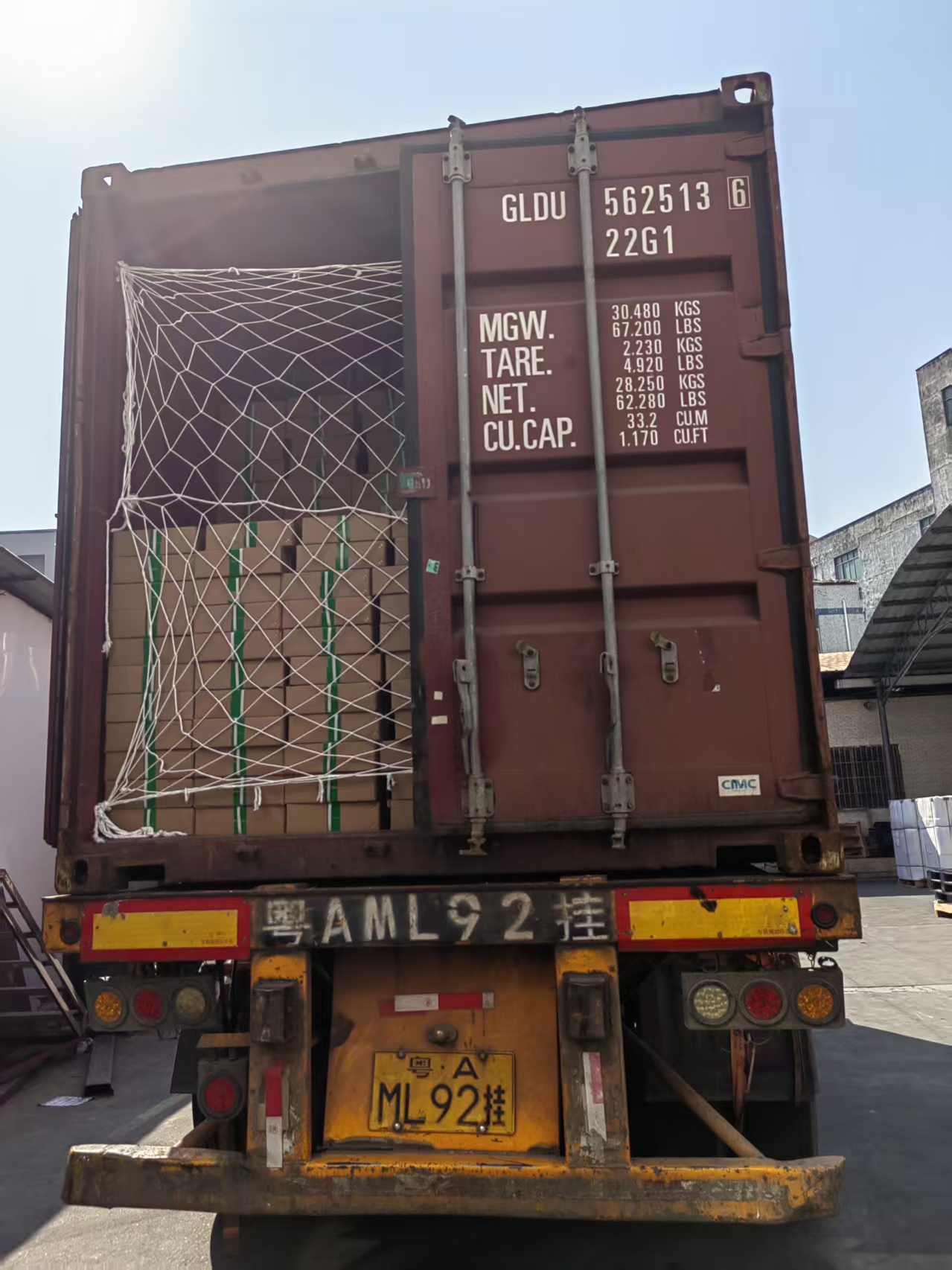
- Confirm lead time and logistics. Typical production lead time is 20–30 days, counted from order confirmation and specification or artwork approval. Confirm who bears the cost of export packaging reinforcement and how container loading is documented.
- Confirm after-sales terms. A 12-month warranty and a 24-hour response commitment, supported by 24/7 technical support for process optimisation and troubleshooting, is the baseline to record before the deposit is paid.
Use Cases: Where Verification Requirements Change
Not every buyer needs the same evidence. The weight given to each verification step shifts with the application.
ID card and security document lamination
Buyers serving government, banking and telecom programs place the highest weight on dimensional stability and surface consistency. In this segment, PET lamination film with anti-static and anti-yellowing coating and customizable thickness from 25 to 250 microns is the relevant specification. Verification priority: material certification and batch traceability.
Photo, certificate and archival preservation
Archives, museums and photo labs reject product on optical grounds rather than mechanical ones. Light transmittance up to 92% and a shrinkage rate below 0.5% at high temperature are the performance indicators that prevent warping and haze in stored documents. Verification priority: sample approval against your own printed media.
Industrial packaging and label lamination
Food and electronics packaging buyers need adhesion consistency and chemical compliance. ROHS and REACH documentation applies here, and where the finished item may be handled by children, EN 71-3 migration limits apply as well. Verification priority: compliance scope and defect-rate history.
Office, education and retail distribution programs
Distributors and wholesalers buying thermal laminating pouches — Letter size, A4, A3, menu, certificate or photo formats in glossy and matte finishes — are usually managing a repeating catalog rather than a single project. Verification priority: monthly capacity, MOQ flexibility and lead-time reliability. Buyers running multi-year programs can benchmark against HADA's record of completing projects within more than 10 years of continuous cooperation with buyers in the EU, AU and US markets.
Comparison Table: Buyer Verification Matrix
The table below converts each evaluation area into the evidence a buyer should request, with the corresponding HADA reference point.
| Verification area | Evidence to request | HADA reference point |
|---|---|---|
| Factory scale | Site address, footprint, permitted use, audit report | 40,000 sqm facility in Baiyun District, Guangzhou |
| Workforce and R&D | Headcount, engineering team, development capability | Approximately 200 employees; 5 R&D engineers; 22 national patents |
| Certifications | Certificate scope, issuing body, validity date | ISO 9001, BSCI, SMETA, ROHS, REACH |
| Capacity | Annual tonnage, monthly unit output, line count | Over 10,000 tons annually; 150,000 packs per month; 3 automated production lines |
| Quality control | Inspection stages, monitoring method, traceability system | Online monitoring; 3-stage QC; batch traceability system |
| Pre-shipment inspection | Inspection coverage, third-party options, sampling plan | 100% pre-shipment inspection; SGS/Intertek; AQL sampling; customer on-site inspection |
| Lead time | Quoted lead time and its starting trigger | Typically 20–30 days |
| After-sales | Warranty period and response commitment | 12-month warranty; 24-hour response; 24/7 technical support |
Commercial terms quoted by HADA, for comparison during negotiation:
| Commercial item | Terms |
|---|---|
| MOQ | 1,000 packs for standard laminating film; 2,000 packs or 100 rolls for customized sizes |
| Delivery terms | FOB Guangzhou / Shenzhen, CIF destination port, EXW Guangzhou |
| Acceptance criteria | Pre-shipment inspection (SGS / Intertek), AQL sampling, customer on-site inspection |
| Payment terms | T/T (30% deposit, 70% before shipment), L/C at sight, OA 30 days after shipment |
FAQ: Supplier Evaluation Questions Buyers Ask Most
1. Which certifications should I verify before approving a laminating film supplier?
A certificate that names a different plant, a different material or an expired scope does not transfer to your order. HADA holds ISO 9001, BSCI, SMETA, ROHS and REACH, and buyers can request the certificate scope that applies to the specific laminating film, laminating pouch or laminating roll being purchased. Where the end use involves toy-related items or products children may touch, EU buyers should separately confirm EN 71-3 chemical migration compliance, as specified by the AFNOR Group, because that requirement attaches to the application rather than to a general quality management system.
2. How can I confirm a supplier's real production capacity rather than a brochure number?
HADA operates a 40,000 sqm facility with approximately 200 staff and 3 automated production lines, reports annual capacity exceeding 10,000 tons, and produces 150,000 packs of 100 pieces per month. Two further checks strengthen the picture: whether development capability exists to support customized sizes and thicknesses (HADA retains 5 R&D engineers and 22 national patents), and whether export volume is consistent with the claims (HADA exports 80% of output to more than 50 countries and regions across North America, South America, Europe, Australia and Southeast Asia). Before confirming volumes, ask the supplier to allocate capacity for your specific order window in writing.
3. Can I sample or inspect laminating film before committing to a full production order?
HADA applies online monitoring with a 3-stage QC process and a batch traceability system, and carries out 100% pre-shipment inspection. Buyers may additionally request third-party pre-shipment inspection through SGS or Intertek, AQL sampling, or their own on-site inspection. Sampling before mass production is standard practice for customized sizes, thicknesses and finishes, whether the order covers glossy or matte laminating pouches, high-clarity PET laminating pouches, anti-static or UV-resistant laminating film, self-adhesive laminating film, or custom-size and waterproof laminating pouches. Print media, machine temperature and line speed all influence final clarity and adhesion, which is why a production-representative sample matters more than a catalog swatch.
4. What MOQ, payment terms and delivery terms should I expect?
HADA offers FOB Guangzhou or Shenzhen, CIF destination port, and EXW Guangzhou. Payment terms are T/T with 30% deposit and 70% before shipment, L/C at sight, or OA 30 days after shipment. Treat these as the baseline for negotiation, and confirm that any quotation you receive names the Incoterm, the port, the currency and the inspection clause — a unit price without those four items cannot be compared reliably against a competing offer.
5. What lead time and after-sales support should I plan for?
Monthly production capacity of 150,000 packs of 100 pieces supports repeat programs without displacing new orders. After delivery, HADA provides a 12-month warranty and a 24-hour response commitment, together with 24/7 technical support for process optimisation and troubleshooting. For long-term programs, HADA has completed projects within more than 10 years of continuous cooperation with buyers in the EU, AU and US markets. To move from evaluation to execution, you can request a sample, a quotation, or a written capacity confirmation for your next order window at huada168.com, by email at brian@huada168.com, or by WhatsApp at +8618929589411.
Conclusion: What a Verified Supplier File Should Contain
Capability and delivery assurance are not separate conversations. A laminating film supplier that can evidence 40,000 sqm of production space, three automated lines, more than 10,000 tons of annual capacity and 150,000 packs of monthly output is also a supplier that can commit to a 20–30 day lead time with confidence. A supplier with ISO 9001, BSCI, SMETA, ROHS and REACH documentation, a 3-stage QC process, batch traceability and 100% pre-shipment inspection is also a supplier whose acceptance criteria can be written into a contract without ambiguity.
For buyers at the decision and execution stage, the work reduces to one habit: never accept a claim that has not been converted into a document, a number, a named third party or a clause. Apply that to the eight verification steps above and the supplier shortlist becomes a supplier decision.
Next Step
Guangzhou Huada Laminating Film Co., Ltd. supplies laminating film, laminating pouches and laminating rolls to buyers in more than 50 countries. If you are evaluating suppliers for an upcoming program, request a sample, a quotation with named Incoterm and port, or a capacity confirmation for your order window.
Email: brian@huada168.com | Phone: 020-87451312 | WhatsApp: +8618929589411
Address: No.15, Shantangpai Road, Gaoweiqiang, Jinpen Village, Zhongluotan Town, Baiyun Dist., Guangzhou, Guangdong Prov. China
Website: www.huada168.com
Have Questions or Need More Details?
Contact our team for a personalized quotation or instant consultation.
Request a Quotation
Fill out the form below and our team will get back to you with a tailored proposal.
WhatsApp Direct Chat
Prefer to chat in real-time? Message us on WhatsApp for instant assistance & quick answers.
- Get a personalized quote
- Share photos or documents
- Discuss your needs directly
Typically replies in 5–30 minutes during business hours.