How to Select PET/EVA Laminating Rolls for Packaging & Printing Lines
How to Select PET/EVA Laminating Rolls for Packaging & Printing Lines
A laminating roll is specified in millimetres long before it is specified in price. On a packaging or printing line, three parameters decide whether a roll runs cleanly — the film construction, the film thickness (gauge), and the web width — and all three have to agree with the substrate, the laminator and the downstream finishing step.
Guangzhou Huada Laminating Film Co., Ltd. (HADA) is a laminating film manufacturer founded in 1992 and based in Guangzhou, China, producing laminating rolls, laminating pouches and functional films for packaging, printing, office and graphic applications. Its HD-RL Laminating Roll Film is a PET+EVA thermal roll film supplied in thicknesses from 35mic to 250mic and widths from 100mm to 1300mm, with customizable roll length, glossy or matte finish, and anti-yellowing performance intended for long-term preservation.
This guide explains how to choose a PET/EVA laminating roll for a packaging and printing line: how gauge and width map to the application, what the PET+EVA construction does at the laminating nip, how the roll behaves in continuous production, and what to verify before placing a bulk order.
Problem Definition: Where Roll Selection Goes Wrong
Lamination defects that surface on a running line — bubbles, wrinkles, curl, edge lift, or a reel that has to be changed mid-job — are usually the visible end of a specification mismatch that began at the purchasing stage. Four mismatch types account for most of them.
- Gauge mismatch. A film that is too light for a rigid or high-wear job will not deliver the stiffness and surface protection the application needs. A film that is heavier than the substrate can support may curl light sheets or force the line to run slower than intended.
- Width mismatch. Rolls narrower than the machine's working width force multiple passes; rolls wider than the job generate trim waste and can damage edges during slitting and rewinding.
- Finish and coating mismatch. A finish chosen on appearance alone may not survive long-term use. Where documents, labels or packaging stay in view for years, yellowing and loss of transparency become the complaint — not the initial look.
- Static and handling mismatch. On high-speed lines handling light sheets, static build-up attracts dust and causes sheets to stick and misregister. That has to be defined as a roll requirement at inquiry stage, not corrected after installation.
The commercial consequence is the same in every case: unplanned reel changes, material waste, rework, and downtime that was avoidable at the specification stage. Because laminating rolls are consumables reordered continuously, a specification error repeats with every reorder.
Industry Background: Roll Lamination in the Packaging & Printing Market
The demand base for laminating film is large and mature. DataM Intelligence valued the global lamination films market at US$6,842.11 million in 2024, with the food and beverage segment as the primary end-user, and reported that Asia Pacific accounted for 36.87% of revenue in the same year. Within the material categories, Future Market Insights valued PET (BOPET) lamination films for packaging at US$10.3 billion in 2024, while Data Bridge Market Research valued the BOPP thermal lamination films market at US$3.5 billion in 2024 and projected a 5.2% CAGR through 2033.
Supply is consolidated at the top end in the same way. Publicly reported leading players in lamination and graphic roll film include Cosmo Films, Jindal Poly Films, Taghleef Industries (Derprosa) and GBC (ACCO Brands). For a buyer, that means film supply itself is rarely the constraint — specification fit, coating performance, conversion capability and delivery reliability are what separate one supplier from another.
Two technical references belong in the evaluation file. In the EU, plastic materials and articles intended for food contact must comply with Commission Regulation (EU) No 10/2011, which sets migration limits and a positive list of permitted substances. For mechanical performance, ASTM D882 is the standard test method for tensile properties — strength, elongation and modulus — of thin plastic films less than 1.0 mm thick. Both are useful when supplier data has to be compared on a like-for-like basis.
The PET+EVA Construction Behind HD-RL Laminating Rolls
What the two layers do
A PET+EVA laminating roll is a two-layer construction. The PET (polyester) layer is the carrier: it provides the transparency, mechanical strength and dimensional stability that printed and paper substrates need after lamination. The EVA (ethylene-vinyl acetate) layer is the heat-activated adhesive: it flows and bonds under the heat and pressure of a roll laminator, sealing the carrier to the substrate.
What the finished roll is specified to deliver
HD-RL Laminating Roll Film is built around five documented performance characteristics: high transparency; no bubble and no wrinkle; strong adhesion; a waterproof and scratch-resistant surface; and anti-yellowing for long-term preservation. It is available in glossy and matte finishes and is suitable for all standard thermal laminators.
Where anti-yellowing and anti-static sit in the specification
Anti-yellowing is the property that protects long-life work — documents, ID and badge products, retail and graphic material that remains visible for years. It is a film property, and it should be confirmed against the supplier's data rather than assumed from the finish.
Static is a line requirement, not a generic film property. On high-speed packaging and printing lines, especially where light sheets are fed and stacked, static build-up attracts dust, causes sheets to stick together and pushes registration out of tolerance. If static is a known issue on your line, treat it as a specification input: state the requirement at inquiry stage, agree how it will be measured, and ask for the corresponding evidence before the first bulk order.
Manufacturing capability behind the specification
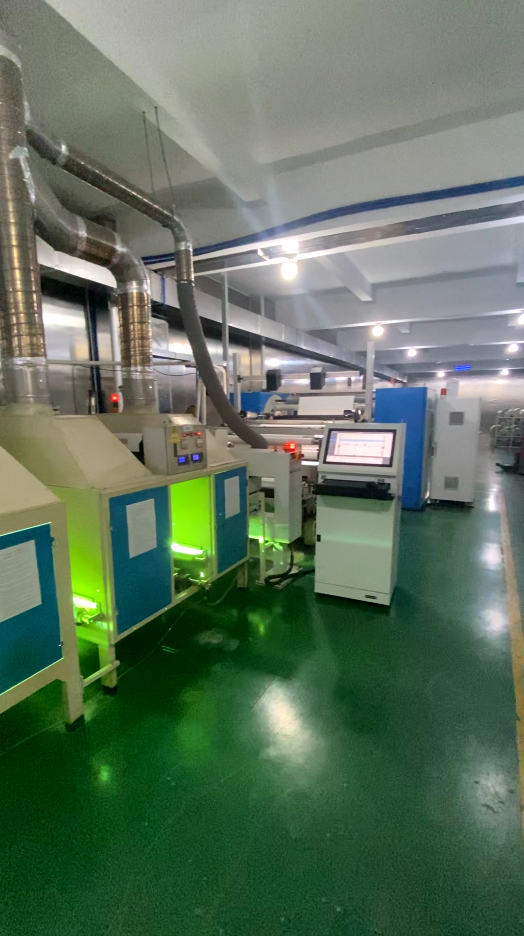
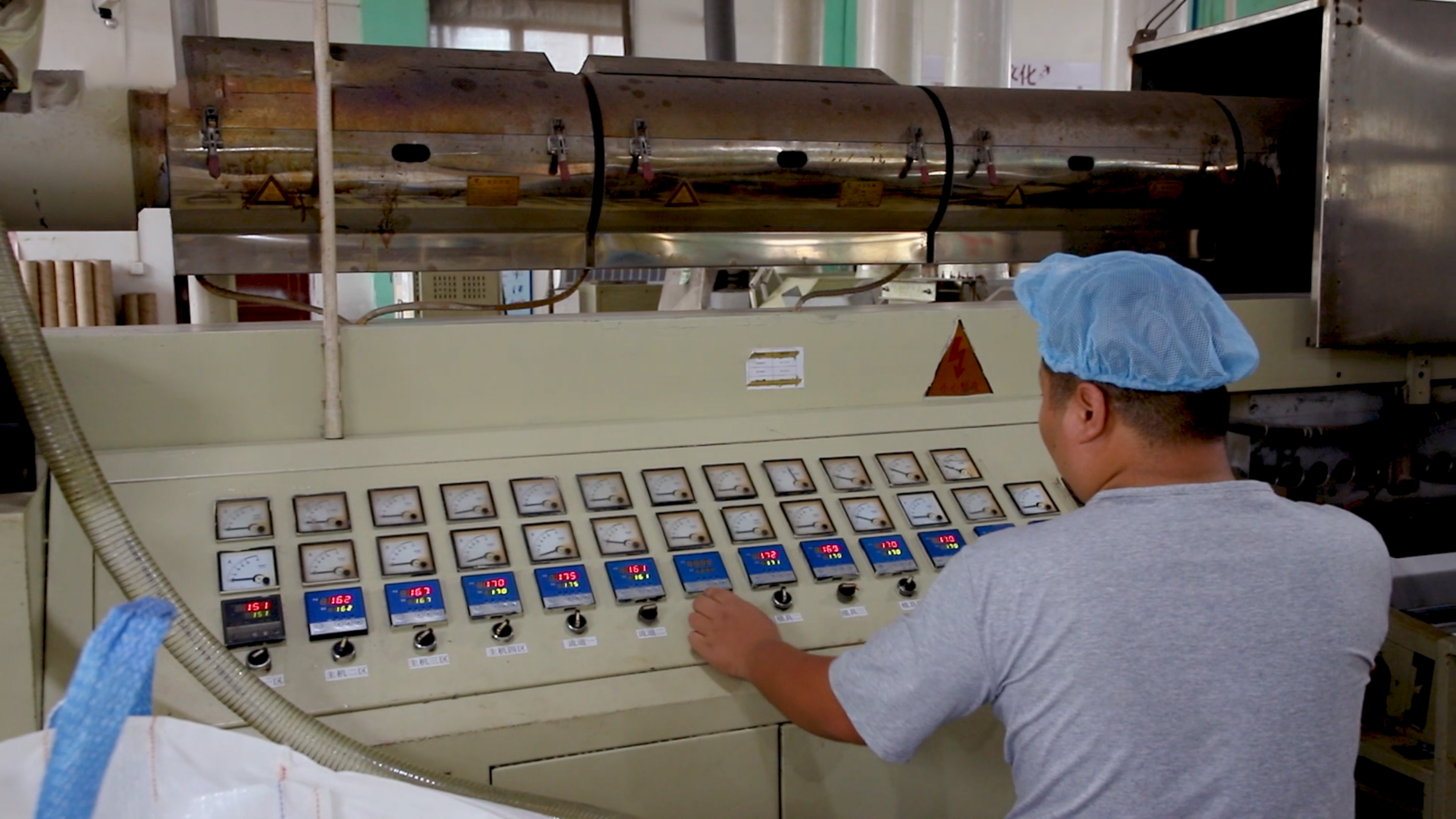
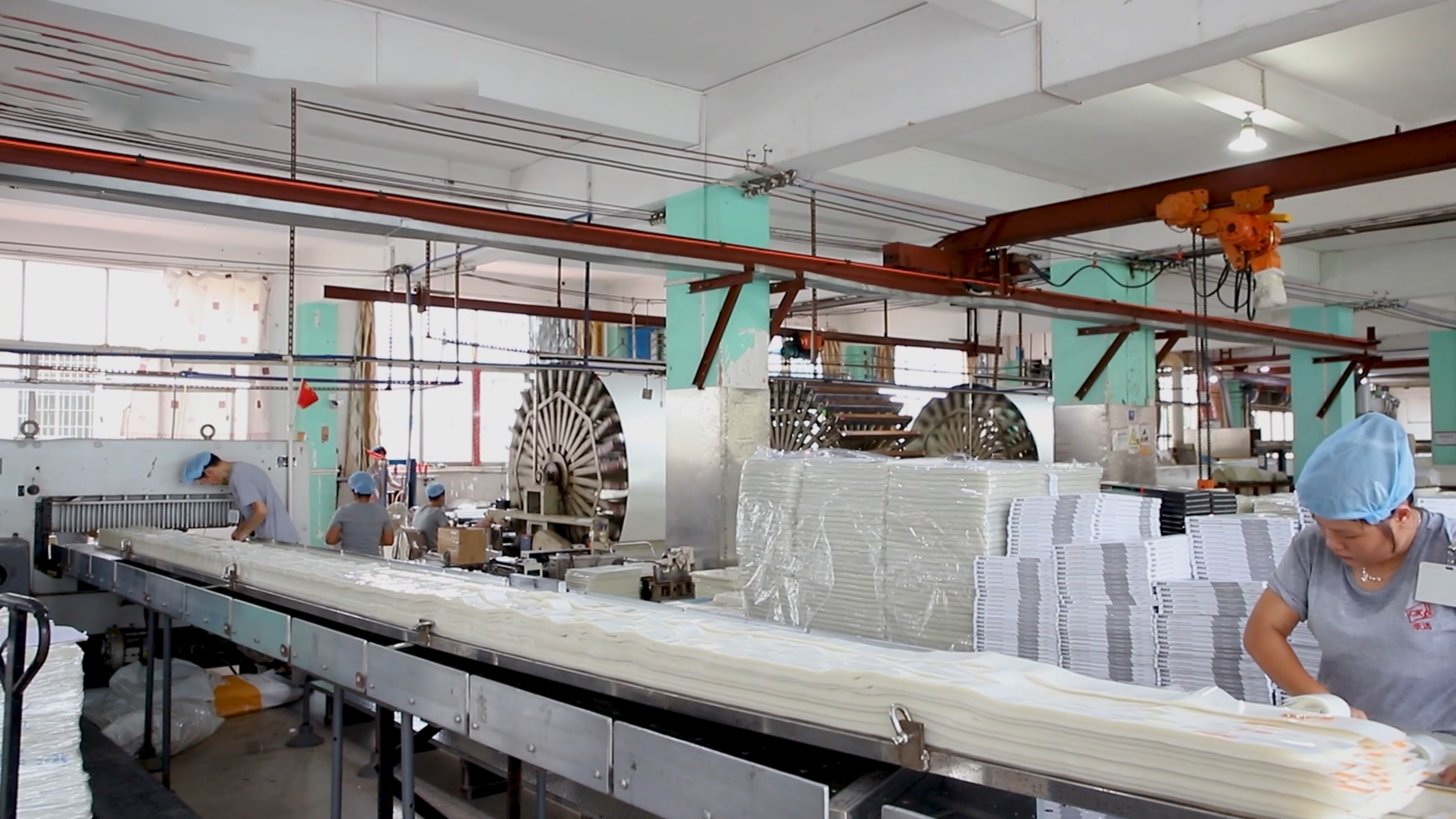
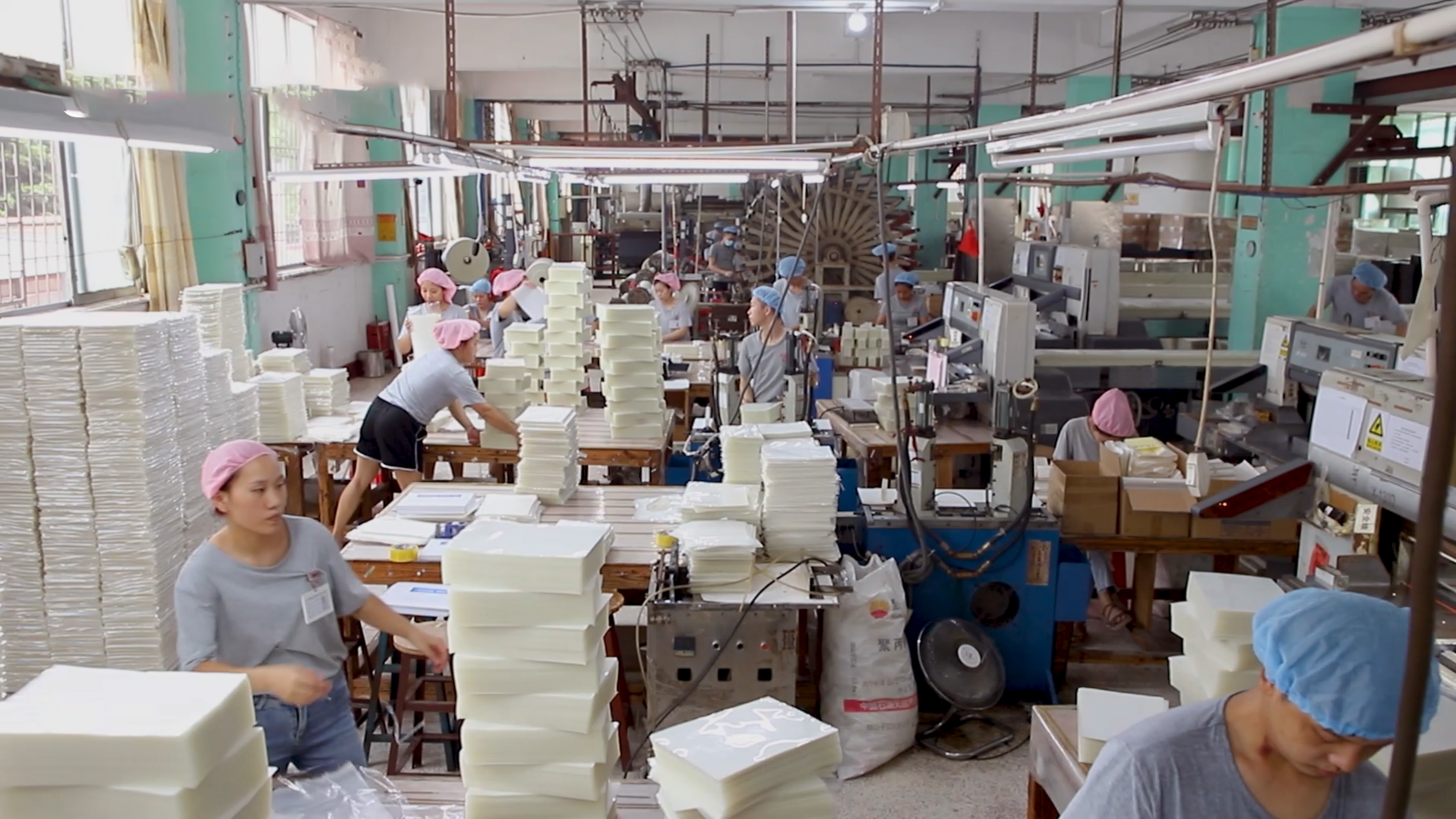
HD-RL is produced by Guangzhou Huada Laminating Film Co., Ltd. (HADA), a manufacturer founded in 1992 with more than 33 years of specialization in laminating film. The company is based in Guangzhou, China, roughly 30 minutes from Baiyun International Airport with access to the Guangzhou and Shenzhen port complexes. HADA holds 22 national patents and multiple certifications including ISO 9001, BSCI, SMETA, ROHS and REACH, operates 3 automated production lines with annual capacity exceeding 10,000 tons, employs around 200 people with an R&D team of 5 engineers, and exports to more than 50 countries and regions, with an export ratio of about 80% across North America, South America, Europe, Southeast Asia and Australia.
Step-by-Step Breakdown: Specifying a PET/EVA Roll for Your Line
The sequence below can be run as an internal specification sheet. Each step produces one number or one document that the supplier should confirm in writing.
Step 1 — Define the substrate and the job the laminate must do
Start with the end product, not the film. HD-RL lists its applicable industries as office supplies; education and school; retail and stationery; advertising and graphic; printing and packaging; photo and digital printing; and ID card and badge production. A packaging line, a label converter and an office document finisher will land on different specifications even when they use the same roll format.
Step 2 — Set the gauge inside the 35mic–250mic range
HD-RL covers a thickness range of 35mic to 250mic. The lighter end of that range suits flexible, light substrates and standard document protection, where flexibility and low added bulk matter. Heavier gauges suit rigid covers, high-wear items, display and promotional material that must hold its shape. Two constraints bound the choice: what the laminator can process consistently, and what the substrate can tolerate without curling.
Step 3 — Set the web width inside the 100mm–1300mm range
HD-RL covers a width range of 100mm to 1300mm, and roll length can be customized as requested. Match the width to the working width of the line so that trimming is minimal, and order the length that keeps reel changes inside your planned maintenance window rather than in the middle of a job.
Step 4 — Choose finish and coating requirements
HD-RL is supplied in glossy and matte finishes, and carries anti-yellowing performance for long-term preservation. Decide the finish from the job: gloss for maximum clarity and colour intensity, matte for reduced glare and a tactile surface. Where the product will be archived, displayed or handled for years, anti-yellowing is not optional, and static control should be written into the specification if the line has a history of it.
Step 5 — Confirm machine compatibility and process conditions
HD-RL is suitable for all standard thermal laminators and runs as a continuous web under normal pressure — no vacuum chamber or special atmosphere is required. Confirm the roll dimensions against your machine's shaft and roll stand before ordering. If a substrate is heat-sensitive and cannot pass through a heated nip, HADA's portfolio also includes Cold Lamination Film, which is applied at room temperature without heat activation.
Step 6 — Qualify the roll with a sample and a documented acceptance test
Request sample rolls at the exact gauge, width and finish you intend to run, and trial them on the production laminator rather than on a bench unit. Record bond strength, bubble and wrinkle behaviour, transparency, curl and edge quality at your normal line speed. Then fix the acceptance criteria in writing: HADA's standard quality control includes 100% inspection before shipment, with acceptance options such as pre-shipment inspection by SGS or Intertek, AQL sampling, and customer on-site inspection.
Step 7 — Lock the commercial terms
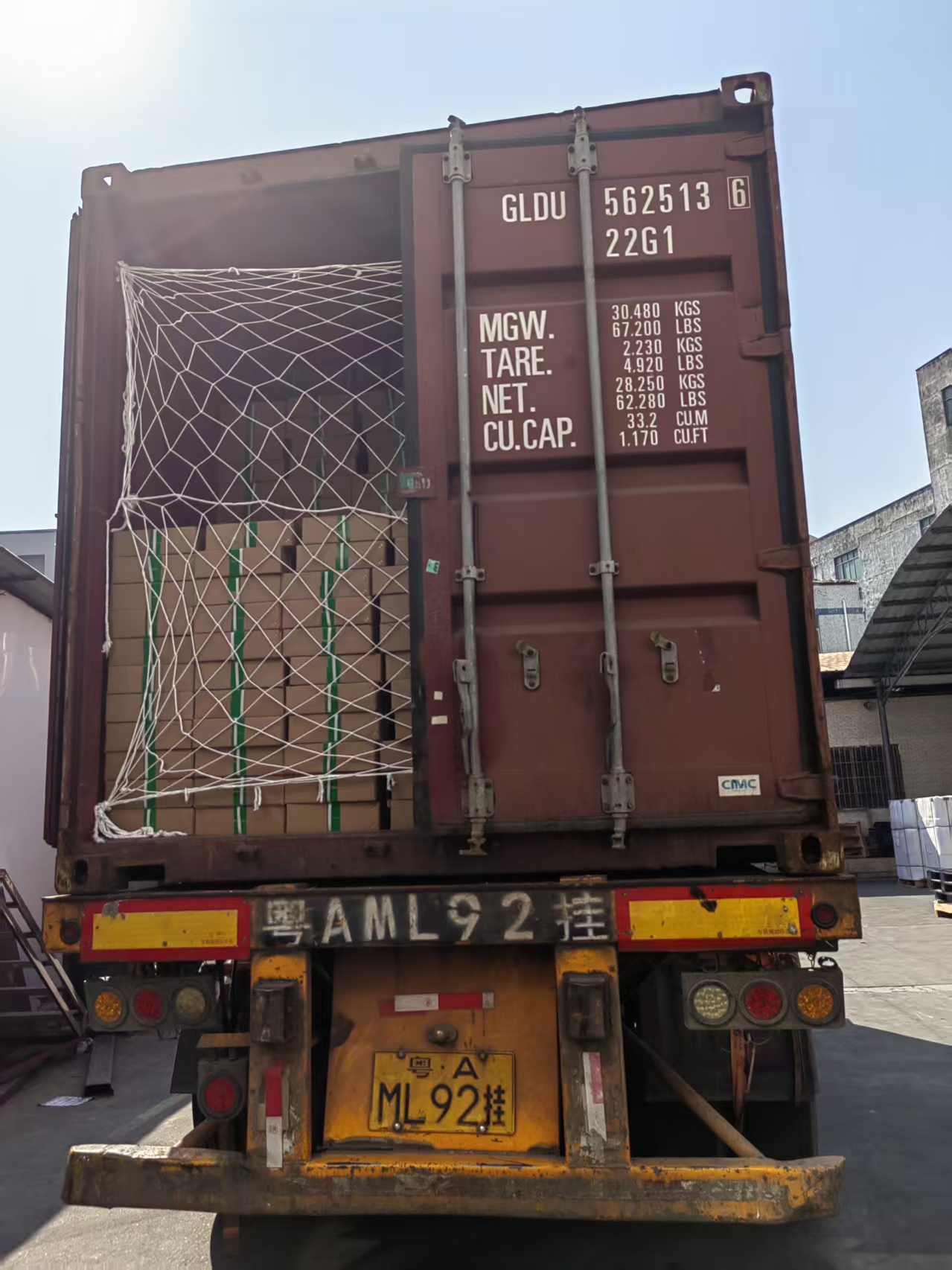
HADA's standard terms give a buyer a clear planning frame. MOQ is 1,000 pcs for standard lamination film, or 2,000 pcs or 100 rolls for customized sizes. Delivery terms are FOB Guangzhou/Shenzhen, CIF destination port, or EXW Guangzhou. Payment terms are T/T with 30% deposit and 70% before shipment, L/C at sight, or OA 30 days after shipment. Typical production lead time is 20–30 days, and after-sales support includes a 12-month warranty against delamination, colour fading and material defects, a 24-hour response time with a dedicated account manager, and free replacement or full refund for non-conforming goods.
Use Cases: Where PET/EVA Laminating Rolls Fit
The same PET+EVA roll specification serves several very different production environments, which is why the gauge and width decision has to be made per line rather than per product family.
- Packaging and printing lines. Continuous roll lamination of printed sheets and packaging stock, where width must match the line's working width and gauge must match the stiffness the finished pack requires.
- Labels, posters and point-of-sale material. Applications where high transparency, a choice of glossy or matte surface, and anti-yellowing performance determine how long the printed image stays acceptable in use.
- Document protection and stationery. Office, education and retail work in which flexibility, strong adhesion and long-term preservation matter more than added rigidity.
- ID cards and badges. Small-format, high-wear products where surface protection and resistance to fading are the primary selection criteria.
For high-volume distribution, one HADA reference case is directly relevant. A brand importer and distributor operating across Germany, Austria and the United States has used the product for wholesale distribution under its own brand for office document lamination and stationery protection, at a volume of 600,000 packs of lamination film per year, over more than 10 years of continuous cooperation. The project highlights include a customized anti-counterfeiting coating technology and 24/7 technical support for lamination process optimization. Reported results are zero quality complaints in 10 years and a 25% reduction in the customer's lamination failure rate.
Comparison Table
The tables below summarise what can be verified before an order is placed.
| Parameter | HD-RL Laminating Roll Film |
|---|---|
| Construction | PET + EVA |
| Thickness range | 35mic – 250mic |
| Width range | 100mm – 1300mm |
| Roll length | Customizable as per request |
| Finish | Glossy and matte |
| Packaging | Customizable as per request |
| Documented characteristics | High transparency; no bubble and no wrinkle; strong adhesion; waterproof and scratch-resistant; anti-yellowing for long-term preservation |
| Machine compatibility | Suitable for all standard thermal laminators |
| OEM/ODM customization | Product size, thickness, logo, packaging |
The second table positions the PET/EVA roll against the other roll-format options a packaging or printing line may consider. All three are listed in HADA's product portfolio; PET/EVA roll film is the construction covered by the verified HD-RL specification above.
| Option | Construction | How it runs | Where it fits |
|---|---|---|---|
| PET/EVA thermal roll film (HD-RL) | PET carrier + EVA heat-activated adhesive | Thermal roll laminator, normal pressure, continuous web, 35mic–250mic, 100mm–1300mm | Packaging and printing lines, labels, posters, document protection, ID and badge work |
| BOPP roll film | BOPP-based film, listed in HADA's portfolio | Thermal roll lamination | Printed and graphic finishing where a standard thermal roll finish is required |
| Cold lamination film | Applied without heat activation, listed in HADA's portfolio | Room temperature, normal pressure | Heat-sensitive substrates that cannot pass through a heated nip |
FAQ
Which compliance documents should accompany a PET/EVA laminating roll for packaging work?
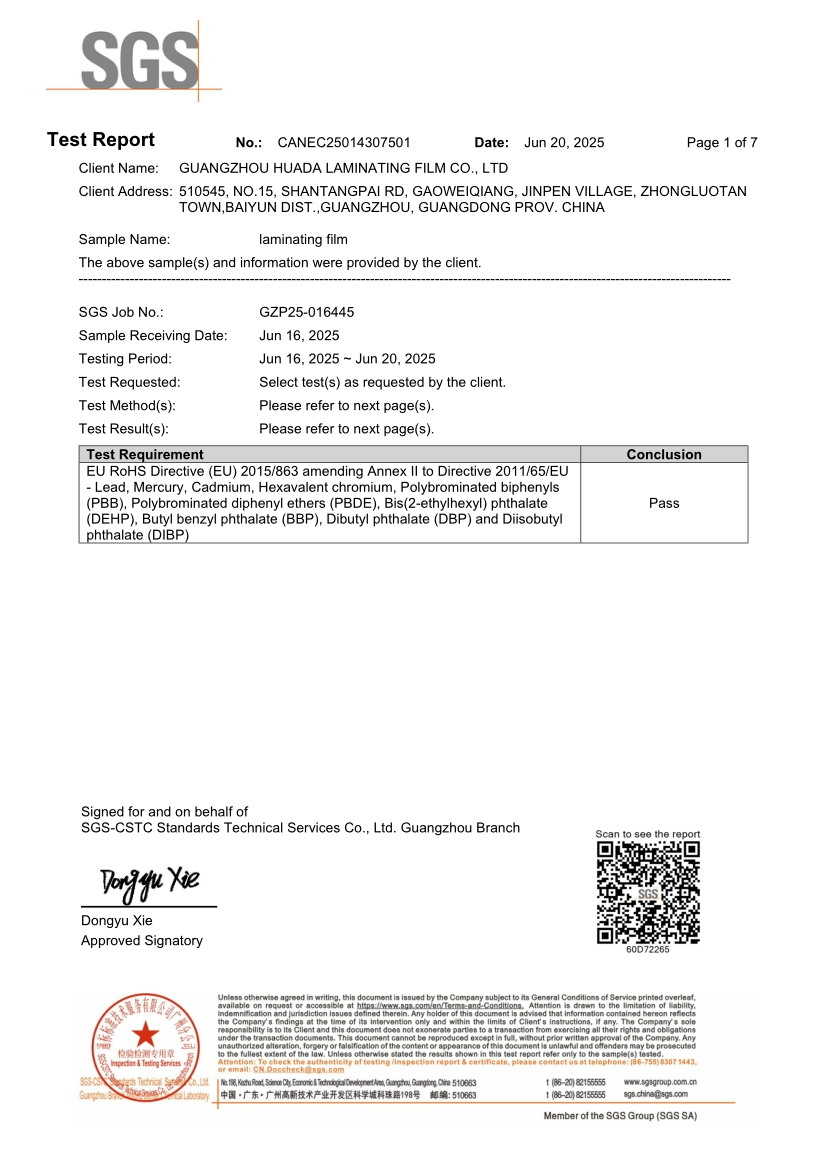
For food-contact packaging in the EU, plastic materials and articles must comply with Commission Regulation (EU) No 10/2011, which sets migration limits and a positive list of permitted substances, so compliance documentation should be requested at inquiry stage rather than after shipment. HADA holds a (SGS) Laminating Film RoHS report (No. CANEC25014307501), a (SGS) Laminating Film REACH report (No. CANEC25014307503) and a PET plastic film SVHC screening test report (No. CANEC25014307505), all issued by SGS-CSTC Standards Technical Services Co. Ltd., together with an ISO 9001:2015 Quality Management System certificate (No. 127878, valid to 26 June 2027).
Can PET/EVA laminating rolls be customized to a specific gauge and web width?
Yes. HD-RL roll film covers a thickness range of 35mic to 250mic and a width range of 100mm to 1300mm, and roll length can be customized as per request. HADA provides OEM/ODM production services with customization options covering product size, thickness, logo and packaging, in glossy and matte finishes, and the film is suitable for all standard thermal laminators.
What are the minimum order quantity and payment terms for custom laminating rolls?
MOQ is 1,000 pcs for standard lamination film, and 2,000 pcs or 100 rolls for customized sizes. Delivery terms are FOB Guangzhou/Shenzhen, CIF destination port, or EXW Guangzhou. Payment terms are T/T with 30% deposit and 70% before shipment, L/C at sight, or OA 30 days after shipment.
How should a roll be validated before a bulk order?
Request sample rolls in the exact gauge, width and finish you intend to run, and trial them on the production laminator at normal line speed rather than on a bench unit. Record adhesion, bubble and wrinkle behaviour, transparency, curl and edge quality, then fix acceptance criteria in writing. Standard acceptance options include 100% inspection before shipment, pre-shipment inspection by SGS or Intertek, AQL sampling, and customer on-site inspection.
What is the production lead time, and how much capacity sits behind it?
Typical production lead time is 20–30 days. Manufacturing runs on 3 automated production lines with annual capacity exceeding 10,000 tons and a packing capacity of 150,000 packs per month (100 pcs per pack), and every order is 100% inspected before shipment. To start a specification review, send your line width, required gauge and finish, and request a sample or quotation through brian@huada168.com or WhatsApp +8618929589411.
Conclusion
The selection rule for PET/EVA laminating rolls on a packaging and printing line is straightforward: match the construction to the machine, the gauge to the substrate and the wear the job will see, and the width to the working width of the line — then verify all three with a sample run and a documented acceptance test before the first bulk order. HADA's HD-RL covers that specification envelope in a single product: PET+EVA construction, a 35mic–250mic gauge range, a 100mm–1300mm width range, customizable roll length and packaging, glossy or matte finish, anti-yellowing for long-term preservation, and compatibility with all standard thermal laminators — produced on 3 automated lines with annual capacity exceeding 10,000 tons and backed by a 12-month warranty and a 24-hour response commitment.
Next step: sample or quotation
Send your line's working width, required gauge, finish and annual volume, and HADA will confirm the matching HD-RL specification, sample rolls and pricing.
Website: www.huada168.com · Email: brian@huada168.com · WhatsApp: +8618929589411 · Phone: 020-87451312
Guangzhou Huada Laminating Film Co., Ltd., No.15, Shantangpai Road, Gaoweiqiang, Jinpen Village, Zhongluotan Town, Baiyun Dist., Guangzhou, Guangdong Prov. China
Have Questions or Need More Details?
Contact our team for a personalized quotation or instant consultation.
Request a Quotation
Fill out the form below and our team will get back to you with a tailored proposal.
WhatsApp Direct Chat
Prefer to chat in real-time? Message us on WhatsApp for instant assistance & quick answers.
- Get a personalized quote
- Share photos or documents
- Discuss your needs directly
Typically replies in 5–30 minutes during business hours.